
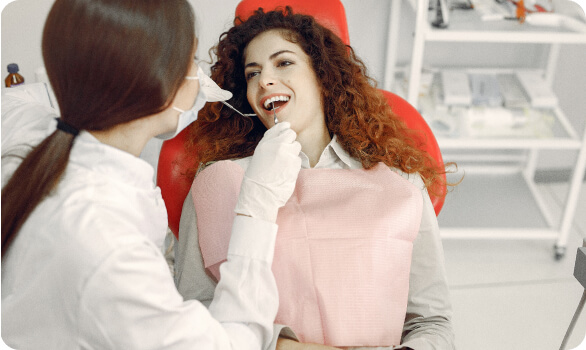
Dental anxiety is the most common reason adults skip the dentist — not cost, not time, not insurance. If your stomach knots up at the thought of opening your mouth in a dental chair, you are in the majority, and you are absolutely not alone. At Acorn Family Dental Care in Berkeley, the very first thing we ask new patients is whether they're nervous. About two-thirds of them say yes.
I'm Dr. Teah Nguyen, and I took over this practice from Dr. Dailley in 2021. Helping anxious patients get back into the chair is genuinely my favorite part of the job. This post is the conversation I wish every nervous patient had access to before they tried to book — what dental anxiety actually is, how we handle it differently, and the specific sedation options we offer in Berkeley to make any procedure manageable. If you've put off care for years, the goal here is to give you everything you need to make a phone call.
Why Dental Anxiety Is So Common
Dental anxiety isn't a personality flaw. It's a recognized condition, sometimes called odontophobia in its most severe form, and it can affect people of every age and background. The American Dental Association's MouthHealthy guidance on anxiety explains how fear can make dental visits harder and recommends discussing concerns with the dental team so care can be adapted to the patient's needs.
It's More Common Than You Think (and It's Not Embarrassing)
Patients apologize to me almost daily for being nervous, and I always say the same thing: there is nothing here to be embarrassed about. The exam room itself triggers a primal response — you're lying on your back, mouth open, unable to talk, with bright lights and unfamiliar metal instruments inches from your face. Your nervous system is supposed to react to that. The fact that yours does means you're paying attention, not that something is wrong with you.
Most of our most loyal long-term patients first walked in shaking. The 98% retention rate at our practice isn't built on people who were always comfortable here — it's built on people who weren't, and who found that this time was different.
How Past Trauma Shapes Dental Fear
Most adult dental anxiety traces back to a specific bad experience, often in childhood. A drill that wasn't numbed properly. A dentist who said "you're being a baby." A cleaning that drew blood and tears. The brain files those moments hard, and it doesn't matter how many years pass — walking into a new dental office reactivates them. Our Berkeley practice was rebuilt around the assumption that most adults walking through the door are carrying one of those memories.
If that's you, the most useful thing you can do at your first visit is name it. "When I was nine, this happened, and I've been avoiding dentists ever since." We hear it constantly, and once it's on the table we can build the entire visit around making sure that experience doesn't get repeated. The pace, the language, the order of operations — all of it adjusts.
How Dental Fear Causes Real Oral Health Damage
Avoidance is the part of dental anxiety that does the actual harm. The fear itself doesn't damage your teeth — but every year you don't come in, small problems become big ones. A cavity that needed a 30-minute filling becomes a tooth that needs a root canal. Mild gum inflammation becomes early-stage periodontitis with permanent bone loss. A cracked tooth that could have been crowned becomes an extraction.
The Avoidance Cycle: Why Waiting Always Makes It Worse
The cycle is brutal because it's self-reinforcing: you skip a cleaning because you're scared, a small problem grows, the eventual visit is now a bigger procedure, the bigger procedure confirms your fear, and the gap until the next visit gets longer. I've had patients walk in after 15 years away who needed five hours of chair time across multiple appointments — when six months in would have meant 30 minutes total.
Breaking the cycle almost always means coming in sooner than feels comfortable, with sedation if needed, for a visit that's deliberately small. The first appointment for an anxious returning patient at our office is usually just an exam, a conversation, and a written treatment plan. No drill, no cleaning, no shots. That alone resets the association.
What Acorn Family Dental Does Differently for Nervous Patients
"We're gentle" is what every dental office says. Here is what we actually do, concretely, that's different — and these protocols apply across every service we offer, from a six-month cleaning through implant surgery.
Nitrous Oxide (Laughing Gas): What to Expect
We offer nitrous oxide sedation for any procedure, including routine cleanings. You breathe a mix of nitrous and oxygen through a small nasal mask for a few minutes; a warm, floaty calm settles in; the appointment happens; and within five minutes of the gas turning off, you're back to baseline and can drive yourself home. It is the lightest, most controllable form of sedation in dentistry, and for most patients with mild-to-moderate anxiety it is plenty.
Stereo Headphones and Comfort Amenities
The drill sound is one of the top trigger sounds for dental anxiety, and we eliminate it. Every operatory has stereo headphones — bring your own playlist or pick from ours, and the dental sounds disappear into the music. We also offer weighted blankets, neck pillows, and lip balm for dry mouth. Small things, but they meaningfully change the chair experience.
Our 'Stop Anytime' Policy — No Pressure, Ever
You can stop the appointment at any moment, for any reason, no explanation needed. We agree on a hand signal at the start — usually a raised left hand — and the moment we see it, the instruments come out and we pause. This is non-negotiable on our side. Knowing in advance that you have a brake pedal is what allows most anxious patients to start the appointment in the first place.
Extended Appointment Times for Anxious Patients
We block longer appointments for patients who tell us they're nervous — typically 50% more chair time than the same procedure would normally need. That means we don't have to rush through breaks, you don't feel like you're holding up the schedule, and there's room for a second numbing dose if the first one isn't fully working. Tell us when you book and we'll build the time in.
Our Team's Training in Anxiety-Aware Care
Every member of our clinical team — hygienists, assistants, front desk — is trained to recognize anxiety cues and adjust language and pace accordingly. That includes never using the word "pain" before a procedure, never narrating instruments, asking permission before each new step, and watching for shoulder and hand tension as much as for verbal feedback. Anxiety-aware care is a practice-wide habit, not just a doctor thing.
Sedation Options We Offer for Dental Anxiety in Berkeley
Sedation isn't all-or-nothing. The right level depends on your anxiety, the procedure, and your medical history. Here's how we think about it.
Nitrous Oxide: Lightest Option, Same-Day Recovery
Nitrous oxide is our default for anxious patients and the option we recommend first. It costs about $50 to $90 added to the visit, requires no advance prescription, and wears off completely within minutes of stopping. You can eat normally before, drive yourself to and from the appointment, and go straight back to work afterward. For cleanings, fillings, crowns, and most root canals, nitrous is enough.
Oral Conscious Sedation: For Moderate-to-Severe Anxiety
For patients with severe anxiety, long procedures (multiple hours), or extensive surgical work, we offer oral conscious sedation. You take a single pill — usually triazolam or a similar short-acting benzodiazepine — about an hour before the appointment. You're still awake and able to respond, but deeply relaxed, and most patients remember little of the actual procedure afterward. This option requires a designated driver, no eating for six hours before, and the rest of the day off work. Cost runs $200 to $400 added to the visit.
What to Tell Your Dentist Before Your Appointment
Before any sedation, we need an honest medical history: current medications (especially anti-anxiety, anti-depressant, or sleep medications), pregnancy status, sleep apnea diagnosis, alcohol use, and any prior reactions to sedatives. None of this changes whether we'll see you — but it changes which sedation we'll use. The intake form is detailed for a reason; fill it out honestly and we'll work around whatever it shows.
Tips to Calm Dental Anxiety Before Your Appointment
A few things that genuinely help before you walk in:
- Book a morning slot. Anxiety builds across the day. The first appointment of the morning means less time to dread it.
- Eat a normal meal first (unless you're using oral sedation, in which case follow the fasting instructions). Low blood sugar makes anxiety dramatically worse.
- Avoid caffeine for 4 hours beforehand. It mimics and amplifies anxiety symptoms.
- Bring music or a podcast queued up. Have it ready before you sit down — fumbling with your phone in the chair adds friction.
- Practice 4-7-8 breathing in the parking lot: inhale 4 seconds, hold 7, exhale 8. Three rounds will measurably drop your heart rate.
- Tell the front desk you're nervous when you check in. The whole team adjusts the moment they know.
How to Book an Anxiety-Friendly Appointment at Acorn
If you've read this far, the hardest part is already done. Booking from here is the small step. Call our office or use the online form on the contact page and tell us, in whatever words feel right, that you're nervous and want an anxiety-friendly first visit. We'll block extended time, note that you'd like nitrous available, and skip anything more invasive than an exam at the first visit unless you specifically ask for it.
Our Wednesday evening hours run until 7 PM, which makes the first visit easier to schedule without taking time off work. We see anxious patients from across the East Bay — Berkeley, Oakland, Albany, El Cerrito, Emeryville, and Alameda — and we'd genuinely rather have you in for a low-stakes first visit than have you keep putting it off. If a root canal is what you're worried about specifically, you might also find our guide to whether a root canal is something to fear useful before you call.
Frequently Asked Questions
What is the best sedation for dental anxiety?
For most patients, nitrous oxide is the best first option. It works within minutes, wears off within minutes, and you can drive yourself home. For moderate-to-severe anxiety or longer procedures, oral conscious sedation produces a deeper, calmer state but requires a ride home.
Is sedation dentistry safe for nervous patients?
Yes. Nitrous oxide has been used in dentistry since the 1840s with one of the cleanest safety records in medicine. Oral conscious sedation uses common, well-studied medications at calibrated doses. We review your medical history before any sedation appointment.
Will my dentist judge me for being scared?
No. Dental anxiety affects 36-75% of U.S. adults. Every dentist sees it daily. Our entire intake protocol assumes a patient might be nervous and adjusts accordingly. There's no version of this conversation where you're "too scared" for us.
How much does sedation dentistry cost in Berkeley?
Nitrous oxide adds about $50-$90 to a visit. Oral conscious sedation runs $200-$400 because of the pre-medication, monitoring, and longer chair time. Many insurance plans cover medically-necessary sedation for surgical procedures.
What if I haven't been to a dentist in 10+ years?
You're not alone — we see this regularly. The first visit is just a conversation and an exam. No deep cleaning, no shots. We build a plan you agree to one step at a time.
Can I bring someone with me to my appointment?
Yes, and we encourage it for anxious patients. A trusted person in the operatory can be a real anchor. If you're using oral sedation you'll need a driver anyway. Tell us when you book.