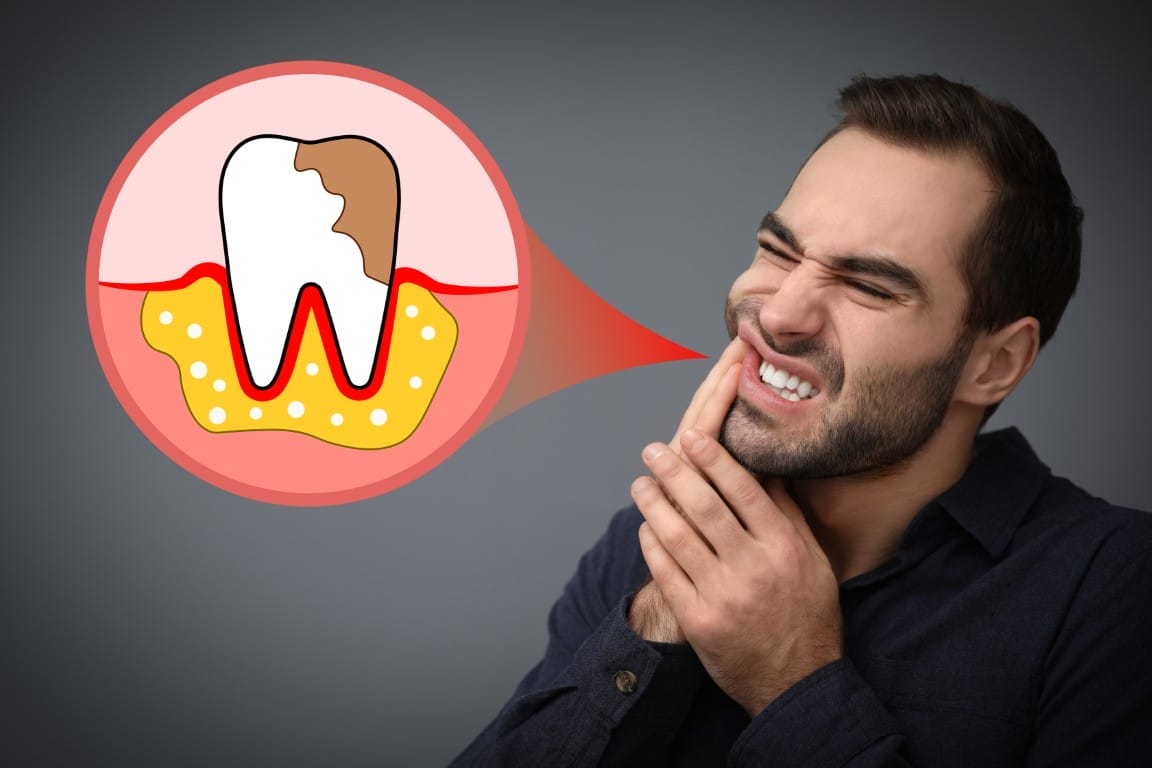



When a toothache strikes, you want relief fast. Many people turn to essential oils as a natural alternative to over-the-counter painkillers — and some of these oils do have genuine pain-relieving and antibacterial properties backed by research.
Here's an honest look at which essential oils can help with tooth pain, how to use them safely, and when you need to skip the home remedies and see a dentist.
Essential Oils That Actually Help with Toothache
1. Clove Oil (Eugenol) — The Gold Standard
Clove oil is the most well-researched essential oil for dental pain. Its active compound, eugenol, is a natural anesthetic and antiseptic that dentists have used for over a century. In fact, eugenol is still a key ingredient in many professional dental materials today.
How it works: Eugenol numbs nerve endings on contact and reduces inflammation in the surrounding tissue. Studies have shown it to be comparable to benzocaine (the numbing agent in over-the-counter dental gels) for temporary pain relief.
How to use it:
- Dilute 2-3 drops of clove oil in a teaspoon of carrier oil (coconut or olive oil)
- Apply to the affected area with a clean cotton ball or swab
- Hold in place for 5-10 minutes, then remove
- Repeat every 2-3 hours as needed
Caution: Never apply undiluted clove oil directly to your gums — it can cause chemical burns to soft tissue. Avoid swallowing large amounts.
2. Tea Tree Oil — Antibacterial Power
Tea tree oil (melaleuca) is a potent natural antibacterial and anti-inflammatory agent. While it's less effective than clove oil for numbing pain directly, it's excellent for fighting the bacterial infections that often cause toothaches in the first place.
How to use it:
- Add 1-2 drops to a glass of warm water and use as a mouth rinse
- Or dilute in carrier oil and apply to the gum around the painful tooth
Important: Tea tree oil is toxic if swallowed. Always spit out rinses completely and never ingest it.
3. Peppermint Oil — Cooling Relief
Peppermint oil contains menthol, which creates a cooling sensation that can temporarily distract from pain and reduce discomfort. It also has mild antibacterial properties. Research supports its ability to inhibit oral bacteria growth.
How to use it: Dilute in carrier oil and apply to the area, or add a drop to warm water for a soothing rinse.
4. Oregano Oil — Strong Antimicrobial
Oregano oil contains carvacrol, a compound with significant antibacterial and anti-inflammatory properties. Some studies suggest it may help reduce the bacteria responsible for tooth decay and gum infections.
How to use it: Always dilute heavily — oregano oil is very strong. Mix 1 drop with a tablespoon of carrier oil before applying.
Essential Oils That Don't Help Much
Despite popular claims, some commonly suggested oils have limited evidence for dental pain:
- Lavender oil: Great for relaxation and stress relief, but minimal direct effect on tooth pain
- Frankincense oil: Some anti-inflammatory properties, but not enough research to support dental pain use
- Coconut oil: Oil pulling with coconut oil may support general oral hygiene, but it won't resolve an active toothache
The Limits of Essential Oils for Dental Pain
Essential oils can provide temporary relief, but they are not a cure. They cannot:
- Reverse tooth decay or fill a cavity
- Treat a dental abscess or deep infection
- Repair a cracked or broken tooth
- Address the underlying cause of the pain
If your toothache lasts more than 1-2 days, is severe, or is accompanied by swelling, fever, or a bad taste in your mouth, you need professional dental treatment — not more essential oils.
When Essential Oils Can Be Helpful
Essential oils work best as a bridge between when pain starts and when you can see your dentist. They're appropriate for:
- Mild discomfort while waiting for a dental appointment
- Post-procedure sensitivity (with your dentist's approval)
- Supplementing your regular oral care routine for gum health
Get Proper Treatment for Tooth Pain
At Acorn Family Dental Care, we frequently see patients who've been managing tooth pain with home remedies for weeks or months — only to discover that the underlying problem has worsened significantly during that time.
If you have a toothache, Dr. Teah Nguyen can identify the cause and recommend the right treatment — whether that's a simple filling, root canal therapy, or another solution.
Don't let a toothache linger. Contact our Berkeley office to schedule an appointment.