

If the words root canal make you tense up, you're not alone. It's one of the most feared dental procedures — but most of that fear comes from outdated stories, not what actually happens in a modern dental office. The truth is, a root canal today is a routine, comfortable procedure that relieves pain rather than causes it.
At Acorn Family Dental Care in Berkeley, Dr. Teah Nguyen performs root canals with a comfort-first approach — effective anesthesia, gentle technique, and nitrous oxide sedation for patients who need it. Here's what you should actually expect.
Why Root Canals Have Such a Bad Reputation
The root canal's reputation was earned decades ago, when anesthesia was less reliable and dental instruments were slower and louder. Patients from that era genuinely experienced discomfort, and those stories passed down through families.
The procedure has changed dramatically. Modern local anesthetics are far more effective, rotary instruments clean and shape canals quickly and gently, and practices like ours offer nitrous oxide sedation and stereo headphones to help anxious patients relax throughout. According to the American Association of Endodontists, patients who have actually had a root canal rate the experience as no more uncomfortable than getting a filling.
Is a Root Canal Painful? What Patients Actually Experience
During the procedure: no, it doesn't hurt. The tooth and surrounding tissue are completely numb before Dr. Nguyen begins. What you may feel is pressure or gentle vibration — sensations that are easy to distinguish from pain.
After the anesthesia wears off, some mild soreness around the treated area is normal for one to three days. This is your body's natural healing response, not a sign something went wrong. Over-the-counter anti-inflammatories like ibuprofen typically manage it well. The pain that brought you in — from the infected or inflamed tooth — will be gone.
If dental anxiety is a concern, ask about our sedation options when you call. Nitrous oxide makes the appointment feel much shorter and keeps you relaxed from start to finish. Learn more on our root canal therapy page.
How Long Does a Root Canal Take?
Most root canals are completed in a single visit of 60 to 90 minutes. The total time depends on:
- Which tooth is involved — front teeth have one canal; molars can have three or four
- Severity of infection — heavier infection requires more thorough cleaning
- Canal anatomy — curved or narrow canals take longer to instrument safely
The longest part of the appointment is usually waiting for anesthesia to take full effect — not the treatment itself. Most patients are surprised by how quickly it's over.
What Happens During a Root Canal?
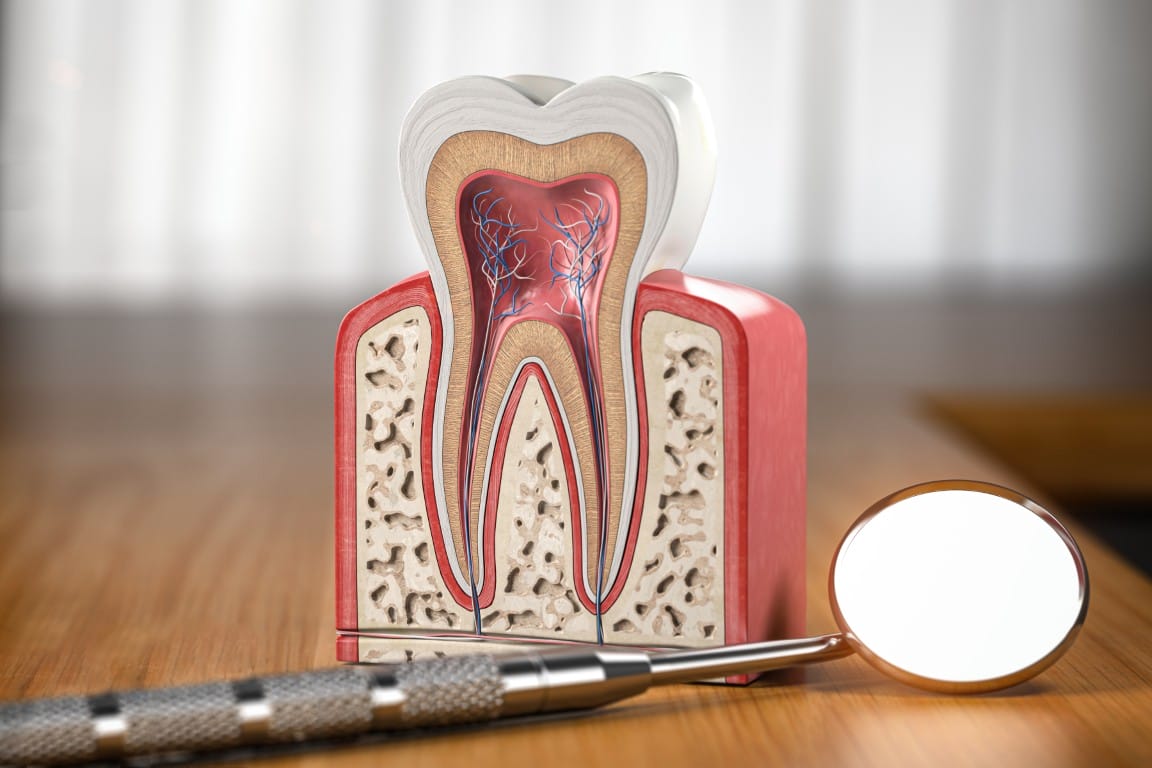
A root canal removes the infected or inflamed pulp (the soft tissue inside the tooth) and seals the space to prevent reinfection. Here's how the procedure unfolds step by step:
- Numbing: Local anesthetic is applied to the tooth and surrounding gum. Nitrous oxide is available if needed.
- Access opening: A small opening is made through the top of the tooth to reach the inner chamber.
- Cleaning and shaping: The infected pulp is removed and the canals are cleaned, shaped, and disinfected.
- Sealing: The canals are filled with a biocompatible material (gutta-percha) and the tooth is sealed.
- Crown placement: A crown is placed at a follow-up visit to protect the tooth and restore full function.
Not sure if you need one? Read our guide on signs you may need root canal therapy for the symptoms to watch for.
Tooth pain that won't go away?
Same-week appointments are often available. Call Acorn Family Dental Care in Berkeley — Dr. Nguyen will evaluate your tooth and walk you through your options.
Call (510) 848-0114How Long Is Recovery After a Root Canal?
Most patients feel back to normal within two to three days. You can typically return to work or school the same day as your appointment.
During the first 48 hours:
- Eat soft foods and avoid chewing on the treated side
- Avoid very hot or very cold food and drinks until sensitivity settles
- Take ibuprofen or acetaminophen as needed for mild soreness
- Brush gently around the area and rinse with warm salt water
For a complete aftercare checklist, see our post on root canal aftercare and how to heal faster. A follow-up crown appointment is typically scheduled within two to four weeks to fully restore and protect the tooth.
Why Choose Acorn Family Dental Care in Berkeley
Dr. Teah Nguyen has treated many anxious root canal patients and understands that trust is built appointment by appointment. Our Berkeley practice focuses on making every visit as comfortable as possible — especially for patients who've been putting off treatment out of fear.
- Nitrous oxide sedation available for nervous patients
- Stereo headphones to keep you relaxed and distracted during treatment
- Extended hours — Wednesday evenings until 7 PM
- 98% patient retention rate — patients return because we get it right
- Serving Berkeley, Oakland, Albany, El Cerrito, Emeryville, and the East Bay
Ready to get out of pain? Schedule your appointment online or call (510) 848-0114. We'll get you in quickly and make sure you're comfortable throughout.
Frequently Asked Questions About Root Canals
Does a root canal hurt?
No. Root canals are performed under local anesthesia, so the tooth and surrounding area are fully numb during treatment. Most patients feel only pressure, not pain. Any soreness afterward is mild and typically resolves within two to three days with over-the-counter pain relievers.
How long does a root canal take?
Most root canals are completed in a single appointment lasting 60 to 90 minutes. Molars with multiple canals or severe infections may occasionally require a second visit. You can usually return to normal activities the same day.
How long is recovery after a root canal?
Most patients feel back to normal within two to three days. Mild sensitivity in the treated area is common for the first day or two. A crown is typically placed two to four weeks later to fully protect the tooth long-term.
Can I eat after a root canal?
Wait until the numbness wears off before eating — usually two to four hours. Stick to soft foods for the rest of the day. You can resume a normal diet once soreness is gone and your crown is in place.