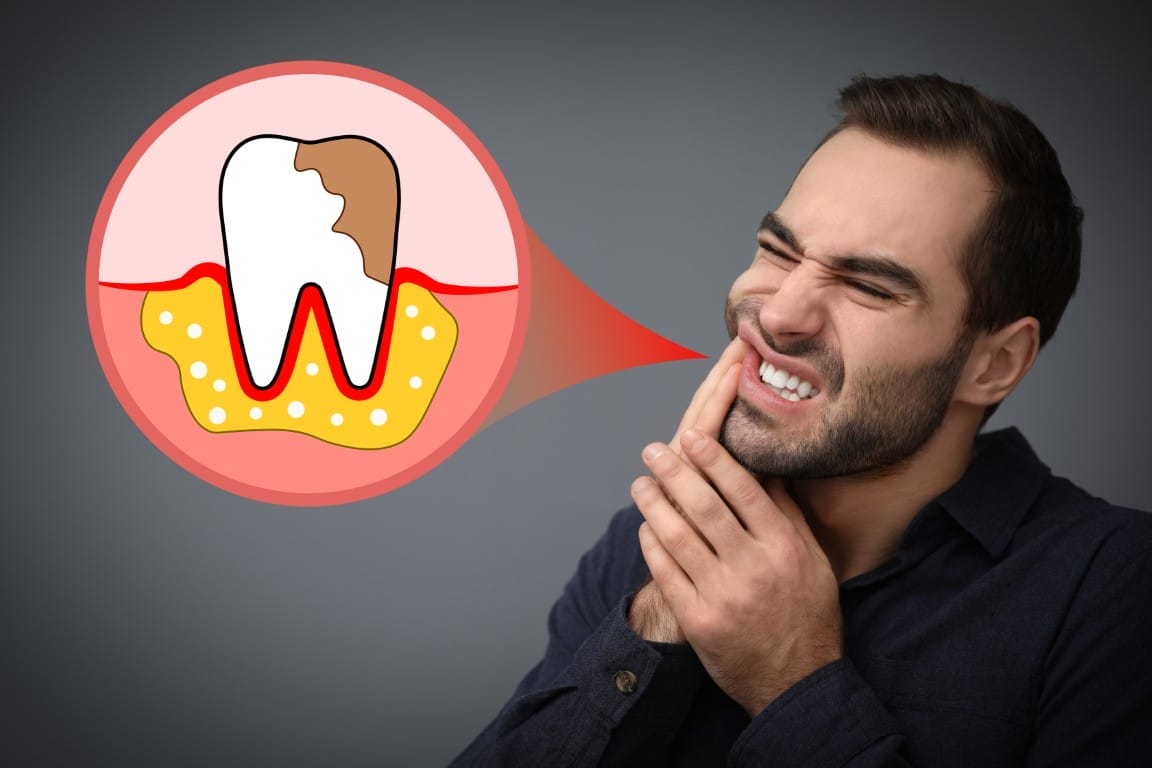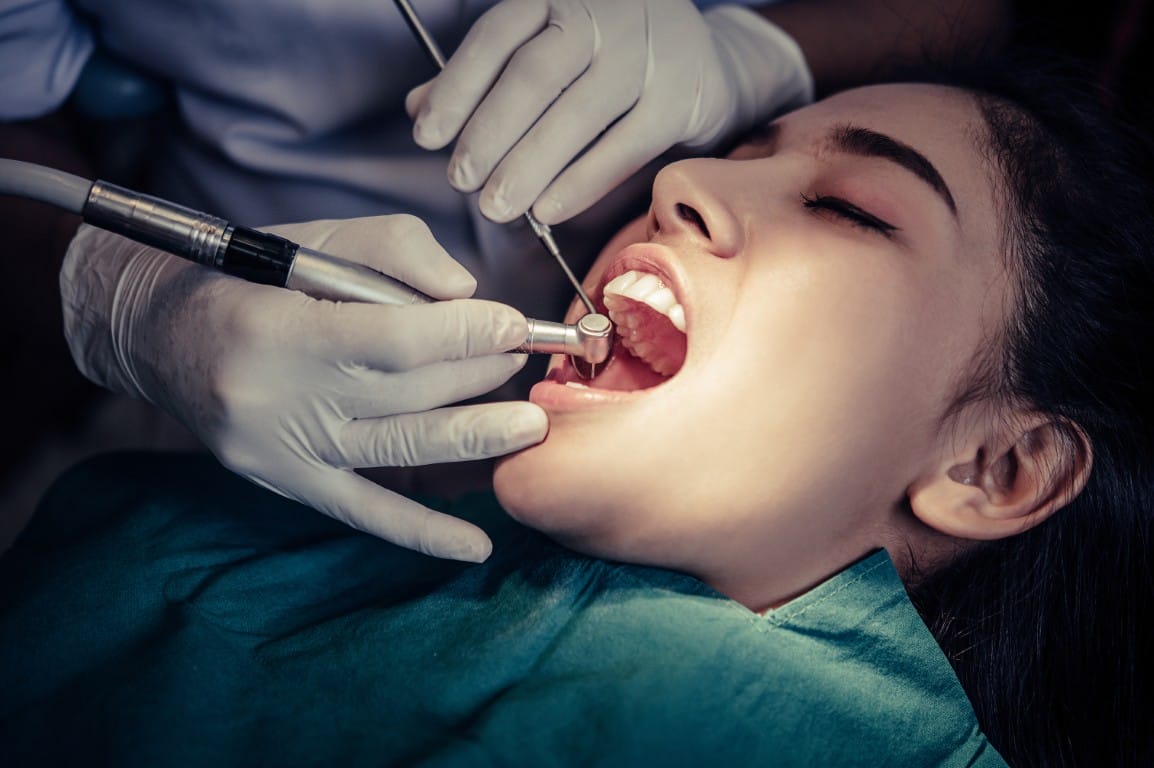


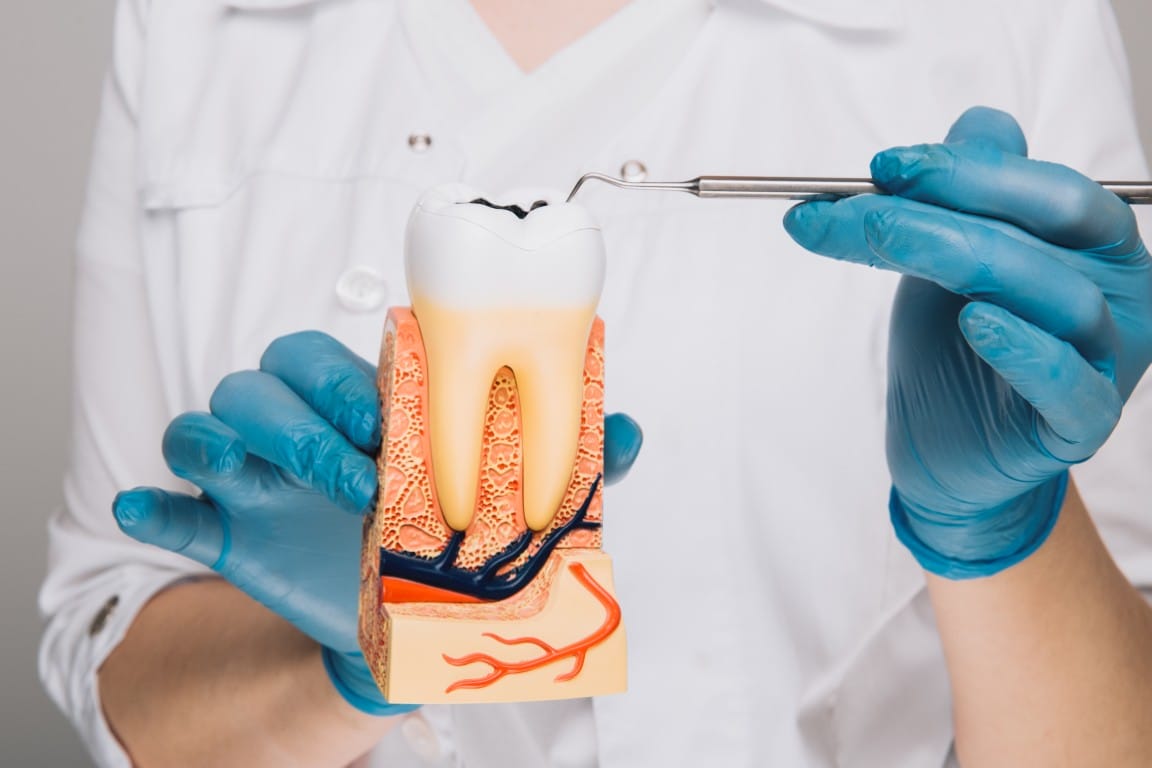
Root canal therapy saves your natural tooth — and the recovery period that follows is just as important as the procedure itself. Whether you just completed treatment at our Berkeley office or you're preparing for an upcoming appointment, this guide walks you through exactly what to expect, day by day, so you can heal comfortably and protect your smile for the long term.
The good news: most patients feel significantly better within 2–3 days. With the right aftercare, you can be back to your normal routine quickly.
Your Day-by-Day Root Canal Recovery Timeline
Day 1: Rest and Let the Anesthetic Wear Off
Your mouth will be numb for 2–4 hours after your appointment. Do not eat during this window — it is easy to bite your cheek or tongue without realizing it. Once sensation returns, you may feel mild soreness or pressure around the treated tooth. This is your body's normal inflammatory response, not a sign that anything went wrong.
Day 1 checklist:
- Take any prescribed antibiotics or pain relievers exactly as directed
- Apply an ice pack to your cheek — 20 minutes on, 20 minutes off — to minimize swelling
- Eat soft foods on the opposite side of your mouth once the numbness is gone
- Avoid strenuous exercise, which raises your heart rate and can intensify throbbing
- Skip alcohol and tobacco for at least 24 hours — both slow healing and can irritate the tissue
Your tooth has a temporary filling or temporary crown protecting it. Do not chew on that side until the permanent crown is placed.
Days 2–3: Mild Soreness When Biting Is Normal
Expect tenderness when you bite down or press on the area. The tissue surrounding the tooth root — the periodontal ligament — was manipulated during treatment and needs a few days to calm down. Over-the-counter ibuprofen (Advil) or acetaminophen (Tylenol) handles this well for most patients. If your dentist prescribed an anti-inflammatory, use it as directed even if you feel okay.
Continue your normal oral hygiene routine. Brush gently with a soft-bristled toothbrush, being careful around the treated area. Flossing is fine — just move slowly near that tooth. Rinsing with warm salt water (half a teaspoon of salt dissolved in 8 ounces of warm water) two to three times a day soothes the gum tissue and reduces bacteria around the healing site.
Days 4–7: Pain Should Be Clearly Improving
By day 4, most of the post-procedure soreness should be easing. You may still have occasional sensitivity when biting hard, but each day should feel noticeably better than the last. You can gradually reintroduce more normal foods — just continue avoiding anything hard, sticky, or crunchy until your permanent crown appointment.
If pain is worsening rather than improving after day 3, call our office. This can indicate the temporary filling is sitting too high on your bite (a simple fix — we adjust it in minutes) or, less commonly, that the area needs additional evaluation. Do not wait and hope it resolves on its own.
Week 2 and Beyond: Your Crown Appointment
A root canal-treated tooth that has not yet received its permanent crown is structurally vulnerable. The temporary restoration is meant to protect the tooth short-term, not long-term. Most patients return within 2–4 weeks for their crown placement. Once the crown is cemented, the tooth functions like a healthy natural tooth — and with proper care, it can last a lifetime.
What to Eat After a Root Canal
Your diet in the days following treatment directly affects both comfort and the safety of the treated tooth. Until the permanent crown is in place, biting into something hard can fracture the tooth and turn a straightforward recovery into a much larger problem.
Safe foods for the first week:
- Yogurt, smoothies, and protein shakes
- Scrambled eggs and soft-cooked fish
- Mashed potatoes, soft pasta, and rice
- Soup cooled to a warm temperature — avoid very hot liquids in the first 24 hours
- Soft bread, bananas, and avocado
Avoid these until after your crown appointment:
- Hard candies, ice, raw carrots, nuts, and chips
- Sticky or chewy foods — caramel, gummies, and chewing gum
- Anything that requires heavy biting pressure on the back teeth
Managing Pain: Normal Healing vs. Warning Signs
Some discomfort during the first 2–3 days is expected. Here is a straightforward way to tell normal healing from a situation that warrants a phone call:
Normal healing looks like: mild to moderate soreness when biting, tenderness in the gum around the tooth, slight sensitivity to temperature changes. Responds well to over-the-counter ibuprofen taken on a schedule.
Call us at (510) 848-0114 if you notice:
- Severe pain that is not relieved by over-the-counter medication
- Pain that is getting worse after day 3 rather than better
- Swelling in the face, cheek, or neck that is spreading
- Fever above 101°F (38.3°C)
- The temporary filling or crown feels cracked, loose, or falls out entirely
- An allergic reaction — rash, hives, or difficulty breathing — to any prescribed medication
These situations are uncommon, but they do need prompt attention. Early intervention means faster resolution.
Long-Term Care for Your Treated Tooth
Once your permanent crown is placed, caring for the tooth is straightforward: brush twice a day, floss daily, and keep your regular cleanings every six months. The difference between a treated tooth and a vital tooth is that the treated one no longer has a living nerve, so it will not signal problems through pain the way a healthy tooth would. That makes those routine check-ups especially valuable — your dentist can catch issues on X-ray before they become symptomatic or require more extensive work.
Want to understand the full procedure before your appointment? Read our guide on root canal therapy at Acorn Family Dental Care, or see why modern root canals are far more comfortable than their reputation suggests.
Frequently Asked Questions
How long does pain last after a root canal?
Mild soreness is normal for 2–3 days. Most patients manage it comfortably with ibuprofen taken every 6–8 hours as directed. If pain is severe or is getting worse after day 3, call our Berkeley office — the bite may just need a quick adjustment, or we may want to take another look at the area.
What can I eat after a root canal?
Soft foods for the first 24–48 hours: yogurt, smoothies, mashed potatoes, scrambled eggs, soft soup. Avoid hard, crunchy, or sticky foods until your permanent crown is in place, because the treated tooth can fracture under heavy biting pressure without that protective restoration.
When should I call my dentist after a root canal?
Call us at (510) 848-0114 if you have severe or worsening pain beyond day 3, spreading swelling in the face or neck, a fever above 101°F, a lost or cracked temporary filling, or any sign of an allergic reaction to medication. We are available Tuesday and Wednesday until 7 PM for after-hours concerns.
Can I go to work the day after a root canal?
Most patients return to a desk job the next day. Plan for mild soreness and take ibuprofen before it wears off so you stay ahead of the discomfort. If your work is physically demanding — lifting, heavy labor, or intense exertion — consider taking that second day easy as well.
Do I need a crown after a root canal?
For most teeth, yes — especially molars and premolars that handle heavy chewing forces. Root canal treatment removes the infected pulp from the center of the tooth, leaving it more brittle than before. A dental crown seals the tooth and prevents it from cracking under everyday use. Front teeth occasionally can be restored with just a filling, but your dentist will advise you on the best option for your specific tooth.
Questions about your recovery? Dr. Nguyen and the team at Acorn Family Dental Care are here to help. Call our Berkeley office at (510) 848-0114 or schedule an appointment online.