

If you've ever been around someone with persistent bad breath, you may have wondered: can halitosis spread from person to person? It's a common concern, especially when it comes to kissing, sharing food, or using the same utensils. Here's what the science actually says.
The Short Answer: No, Halitosis Is Not Contagious
Halitosis itself is not a contagious condition. You cannot "catch" bad breath from another person the way you might catch a cold or the flu. Bad breath is a symptom caused by underlying factors in your own mouth, gut, or overall health — not something transmitted through casual contact.
While bacteria can transfer between people through kissing or sharing utensils, the specific bacterial imbalance that causes chronic halitosis depends on your own oral environment, hygiene habits, and health conditions. Simply being exposed to someone else's oral bacteria won't cause you to develop persistent bad breath.
What Actually Causes Halitosis?
Understanding what causes bad breath helps explain why it isn't spreadable. The most common causes include:
- Poor oral hygiene: When food particles and bacteria build up on your teeth, tongue, and gums, they produce foul-smelling sulfur compounds. Regular brushing, flossing, and tongue cleaning are essential for keeping these under control.
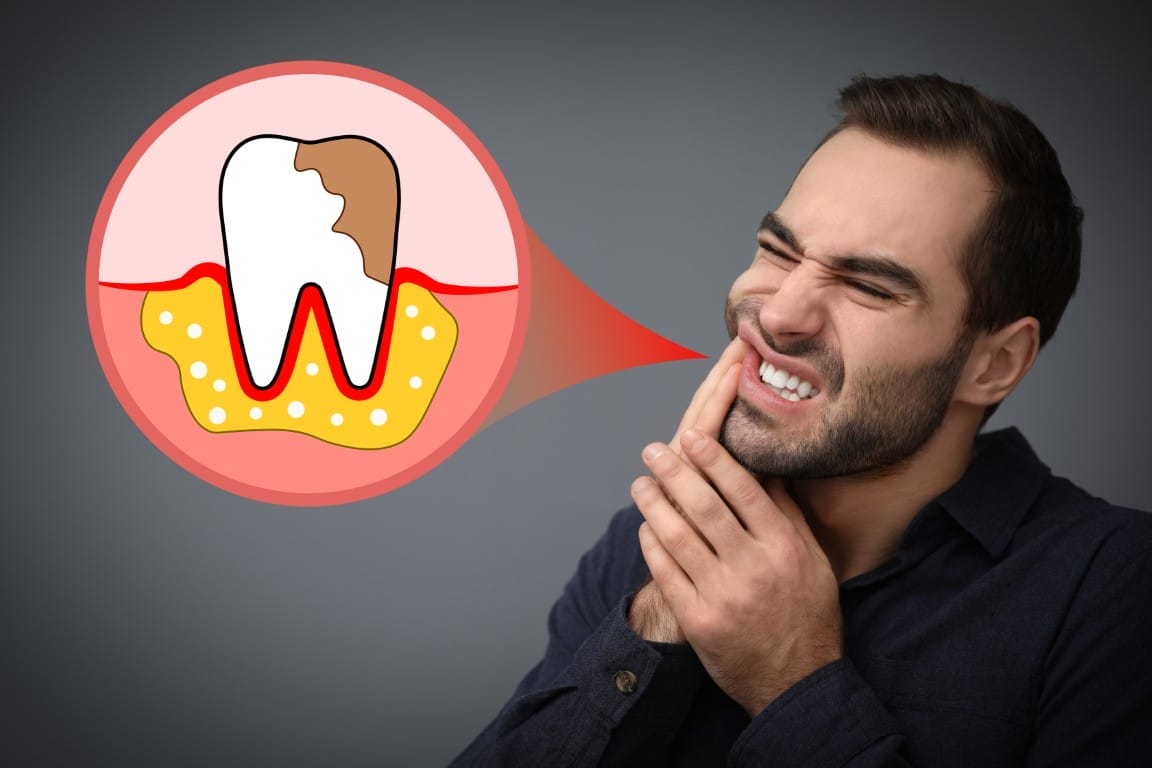
- Gum disease: Periodontal disease creates deep pockets around the teeth where bacteria thrive, producing a persistent odor that mouthwash alone can't fix.
- Dry mouth: Saliva plays a critical role in washing away food debris and bacteria. When your mouth is dry — from medication, mouth breathing, or dehydration — bacteria multiply and odor increases.
- Digestive issues: In some cases, chronic bad breath originates from the gut. Conditions like acid reflux (GERD), H. pylori infection, or digestive imbalances can produce odors that travel up through the esophagus.
- Underlying medical conditions: Diabetes, kidney disease, liver problems, and sinus infections can all contribute to bad breath that doesn't respond to standard oral care.
Can Bacteria Transfer Through Kissing?
Yes — oral bacteria do transfer during kissing. Research shows that a single 10-second kiss can transfer roughly 80 million bacteria between partners. However, this does not mean bad breath transfers with them.
Your mouth maintains its own unique microbiome. The bacteria you receive from another person will either be absorbed into your existing ecosystem or naturally eliminated by your immune system and saliva. Developing halitosis requires a sustained imbalance in your own oral environment, not a one-time exposure to someone else's bacteria.
When Bad Breath Might Signal Something Serious
If your bad breath persists despite good oral hygiene — regular brushing, flossing, and tongue cleaning — it could indicate a deeper issue that needs professional attention. Signs that your halitosis may need a dental evaluation include:
- Bad breath that lasts more than a few weeks despite improved oral care
- A persistent metallic or bitter taste in your mouth
- Bleeding, swollen, or receding gums
- Dry mouth that doesn't improve with increased water intake
- Friends or family members commenting on your breath despite your best efforts
How a Dentist Can Help with Chronic Halitosis
At Acorn Family Dental Care, we take chronic bad breath seriously. Dr. Teah Nguyen can perform a thorough examination to identify the root cause of your halitosis — whether it's gum disease, hidden decay, dry mouth, or another factor.
Treatment options may include:
- Professional deep cleaning to remove tartar and bacteria below the gumline
- Gum disease treatment to eliminate infected pockets
- Recommendations for targeted oral care products
- Referral to a specialist if a medical condition is suspected
Don't let chronic bad breath affect your confidence or relationships. Schedule a consultation at our Berkeley office and let us help you find a lasting solution.