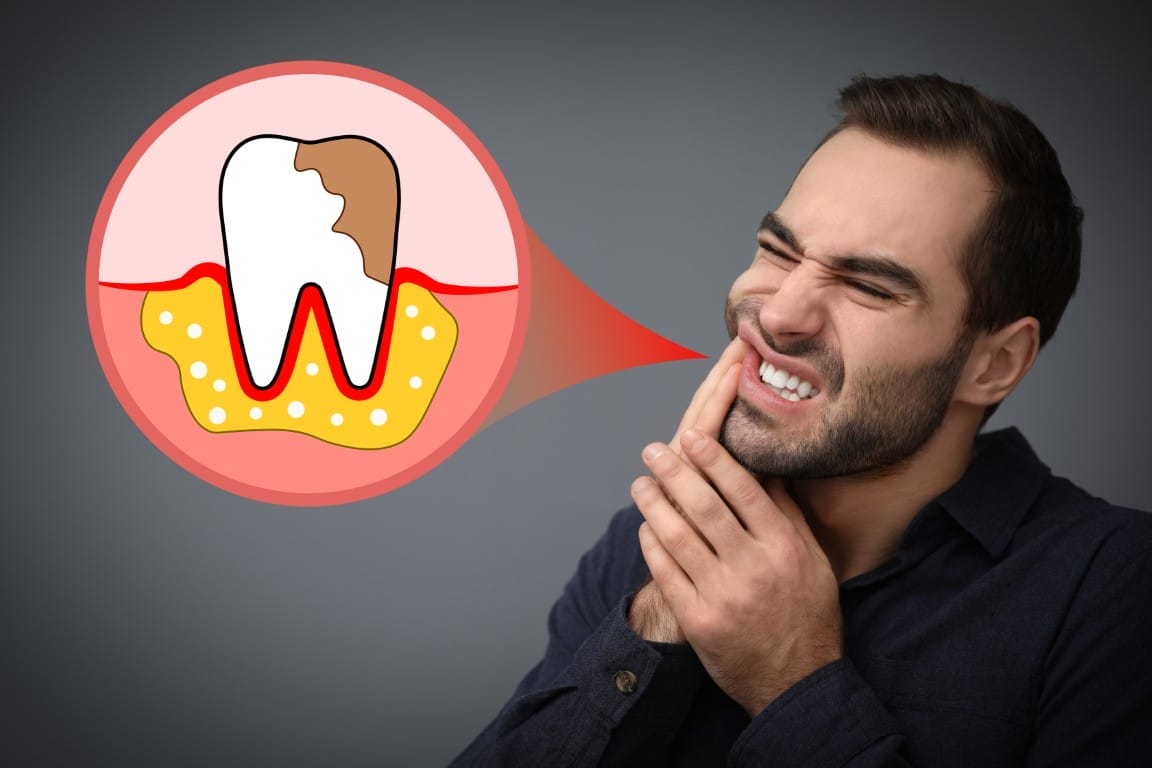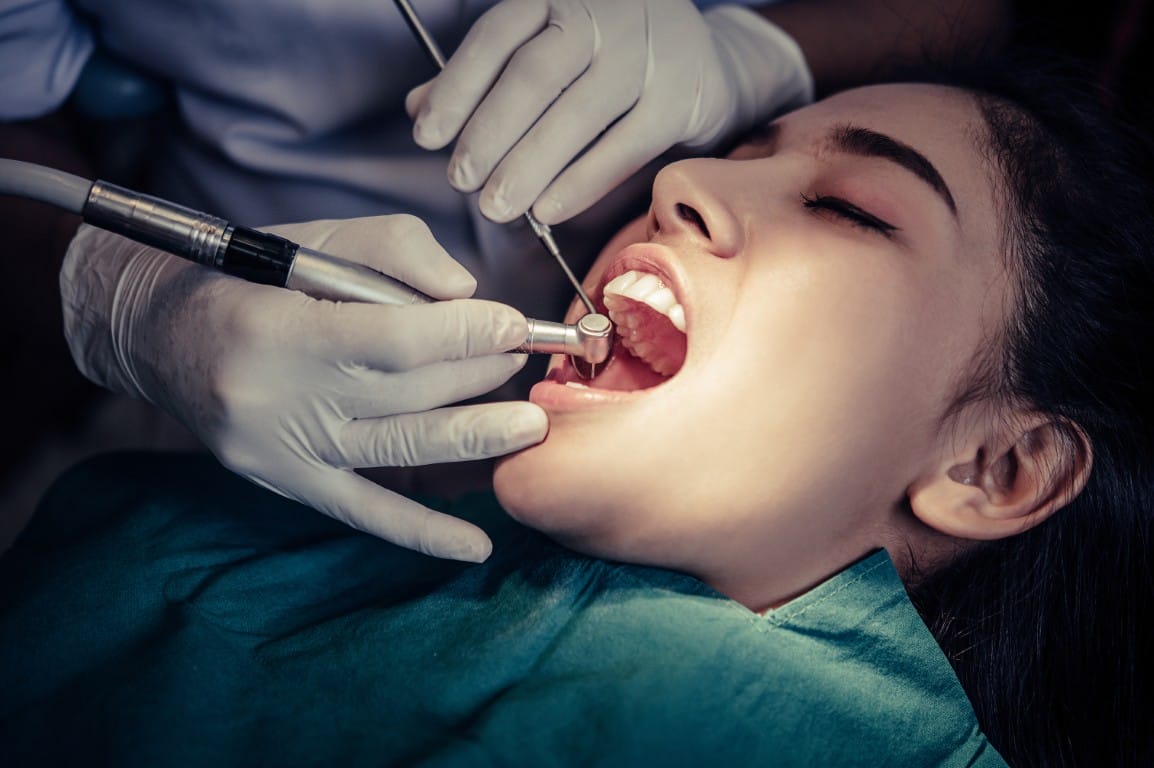



Bruxism—the habit of grinding or clenching your teeth—can cause serious, irreversible damage when left untreated. It most often happens during sleep, which means many patients have no idea it's occurring until a dentist spots the signs. Over time, the forces involved can exceed 250 pounds per square inch—far more than normal chewing—leading to fractured teeth, enamel loss, and chronic jaw pain.
At Acorn Family Dental Care in Berkeley, Dr. Teah Nguyen sees bruxism in patients of all ages. The good news: caught early, it's very manageable—and a custom night guard can stop the damage before it requires major dental repairs.
Common Signs and Symptoms of Bruxism
Because grinding often happens while you sleep, you may not realize you have bruxism until your dentist identifies the physical signs during a routine exam. Watch for these symptoms:
- A dull, constant headache or sore jaw upon waking.
- Noticeable grinding or clenching—often loud enough to wake your partner.
- Flattened, fractured, chipped, or loose teeth.
- Worn-down enamel exposing deeper, more sensitive layers of your teeth.
- Increased tooth pain or sensitivity to hot, cold, or sweet foods.
- Jaw tightness, fatigue, or difficulty opening your mouth fully.
- Pain or soreness in the jaw, neck, or face.
- Pain resembling an earache, unrelated to the ear itself.
- Scalloped tongue edges or inner cheek tissue damage from nighttime clenching.
- Interrupted or poor-quality sleep.
How Bruxism Damages Your Teeth
Chronic teeth grinding generates forces that accumulate into serious structural damage over months and years:
- Enamel erosion: Grinding progressively wears away enamel—the hardest substance in the human body. Once gone, softer dentin underneath is exposed, causing sensitivity and accelerated decay. Severe untreated cases reduce teeth to flat stumps.
- Cracks and fractures: Repeated stress creates vertical crack lines. In serious cases, a tooth can split entirely, requiring a crown or extraction.
- Damaged dental work: Fillings, crowns, veneers, and bridges crack or fail prematurely under grinding forces—often at significant cost to repair.
- TMJ disorders: The jaw joint absorbs enormous strain from chronic grinding, leading to clicking, popping, limited jaw movement, and persistent facial pain. Learn more about TMJ treatment at our Berkeley practice.
If bruxism has already caused significant damage, Dr. Nguyen will discuss restorative options—crowns, bonding, or veneers—alongside a protective plan to prevent further wear. Early intervention is always less expensive and less invasive than repairing advanced damage.
Custom Night Guards vs. Over-the-Counter Options
The most effective first-line treatment for sleep bruxism is a protective night guard worn during sleep. But not all night guards are equal—there's a meaningful difference between a custom guard made at the dentist and what you'll find on a drugstore shelf.
Custom Night Guards (Dentist-Made)
A custom night guard is fabricated from precise dental impressions of your specific bite. It fits exactly, stays in place throughout the night, and is calibrated to distribute grinding forces evenly without shifting your jaw alignment. Custom guards typically last 1 to 5+ years, and many dental insurance plans partially cover the cost. Because they're comfortable and secure, patients are far more likely to wear them consistently—which is what makes them effective.
Over-the-Counter Options
OTC guards come in two types: boil-and-bite (softened in hot water to take a rough impression) and stock (one-size-fits-all). Both have real limitations:
- Boil-and-bite guards offer a semi-custom fit but are often bulky, shift during sleep, and last only 3–12 months.
- Stock guards have a generic fit that can alter your bite and worsen jaw alignment over time. Most dentists don't recommend them for ongoing use.
A key point: OTC guards reduce damage but don't eliminate it. A poorly fitting guard can shift teeth or change your bite in ways that create new problems. If you're currently using an OTC guard and still waking up with jaw pain or headaches, it may be time to upgrade to a custom appliance.
Ready to get a properly fitted night guard? Schedule a bruxism evaluation or call us at (510) 848-0114. We serve patients throughout Berkeley, Oakland, Albany, El Cerrito, and the greater East Bay.
How to Stop Grinding Your Teeth
Bruxism rarely has a single cause, so the most effective treatment plans combine protective measures with approaches that address the underlying triggers:
- Custom night guard: Protects teeth and reduces jaw strain immediately—the most important first step for sleep bruxism. Visit our Bruxism Treatment page for a full overview of what to expect.
- Stress and anxiety management: Stress is the most common driver of both awake and sleep bruxism. Relaxation techniques, regular exercise, and counseling can significantly reduce grinding frequency.
- TMJ therapy: If grinding has led to jaw joint problems, targeted treatment can relieve pain and restore function. Learn about TMJ treatment at Acorn Family Dental Care.
- Bite adjustment: If your teeth don't come together properly, Dr. Nguyen may selectively reshape biting surfaces to reduce muscle strain and uneven forces.
- Sleep apnea evaluation: There's a strong clinical link between bruxism and obstructive sleep apnea. Treating sleep apnea often reduces grinding as well.
- Medication review: Some medications—especially SSRIs and ADHD stimulants—are associated with bruxism. Your physician may be able to adjust your prescription.
If you notice any of the signs above—or if your partner mentions that you grind your teeth—don't wait. Early diagnosis and treatment can prevent long-term damage and save thousands of dollars in future restorations.
Frequently Asked Questions About Bruxism
Can bruxism be cured permanently?
Bruxism doesn't have a one-time cure because it's usually driven by ongoing factors like stress, sleep disorders, or bite misalignment. However, it can be very effectively managed. A custom night guard stops the immediate damage, and addressing underlying causes—stress, sleep apnea, bite issues—can reduce or even eliminate grinding in many patients. Some people see bruxism resolve completely once the root cause is treated.
How do I know if I grind my teeth at night?
Common signs include waking with a sore jaw or morning headaches (especially in the temples), worn or flattened tooth surfaces, increased tooth sensitivity, and scalloped tongue edges. A sleep partner may hear grinding sounds. During your dental exam, Dr. Nguyen can identify wear patterns and other physical indicators you may not notice yourself.
Does a night guard stop teeth grinding?
A night guard doesn't stop the grinding motion itself—it creates a protective barrier so your teeth don't contact each other directly. This prevents further enamel loss, reduces strain on the jaw joint and muscles, and often significantly reduces morning headaches and jaw soreness. Think of it as a shield while you work on the underlying causes.
Is a custom night guard from the dentist worth it?
Yes. Custom guards provide a precise, comfortable fit that OTC options can't match. They last 1–5+ years (versus a few months for drugstore guards), protect better, and support proper jaw alignment. Most dental insurance plans partially cover them. Poorly fitting OTC guards can shift teeth and worsen bite problems over time—making a dentist-made guard a cost-effective long-term investment.
Protect your smile today. If you suspect you're grinding your teeth, book an appointment online or call (510) 848-0114. Dr. Teah Nguyen and the team at Acorn Family Dental Care are here to help patients throughout Berkeley, Oakland, Albany, and the East Bay.