
You are lying on the couch, one hand on your jaw, googling unbearable tooth pain what to do at home at 11 p.m. The pain is real and the appointment is not until morning, or Monday, or whenever the office opens. You need a plan for the next few hours, not a lecture.
Here is the honest version, from a Berkeley dentist who sees this every week. There are 3 things you can do at home tonight that actually lower the pain, and there are 3 things people try that make it worse. Do the first list. Skip the second list. Then get in the chair as soon as you can.

First, Score the Pain and Set a Deadline
Before you touch a pill or a compress, score the pain from 1 to 10 and write down the time. This sounds small. It is the single most useful thing you can do, because it tells you whether the next steps are working or whether the tooth has moved past home care.
- 1 to 4: Annoying but not blocking sleep. You have time. Book the next open weekday slot.
- 5 to 7: Real pain that you can dull with medicine. This is the zone the 3-step plan below is built for. Get seen within 24 to 72 hours.
- 8 to 10: Cannot sleep, cannot eat, medicine barely helps. This is a same-day or same-night visit, not a wait-until-morning problem. Skip to the "when to call now" list further down.
If you also feel throbbing that gets worse the second you lie down, that is a specific pattern with its own explanation, covered in our guide to throbbing tooth pain at night and why it gets worse when you lie down. Bookmark it and come back to this page for the action steps.
Step 1: Take the Right Pain Medicine the Right Way
The single most useful thing for unbearable tooth pain what to do at home is the correct oral pain dose, taken on the correct schedule. Not double the label dose. Not a pill placed on the gum. A normal swallowed dose, timed right.
For adults with no bleeding history, no ulcers, no kidney disease, and no ibuprofen allergy, the pattern that dental researchers and the American Dental Association recommend for acute dental pain is:
- 400 mg ibuprofen (2 standard 200 mg tablets) every 6 hours, taken with food.
- Plus 500 mg acetaminophen (1 standard Tylenol tablet) at the same time.
The two medicines work on different pain pathways, so together they hit dental pain harder than either one alone. Do not go above the label total per day. Never take extra Tylenol if the ibuprofen is "not working" — most of the time it is working, it just has not peaked yet. Ibuprofen takes 30 to 45 minutes to reach full effect. Set a timer and wait.
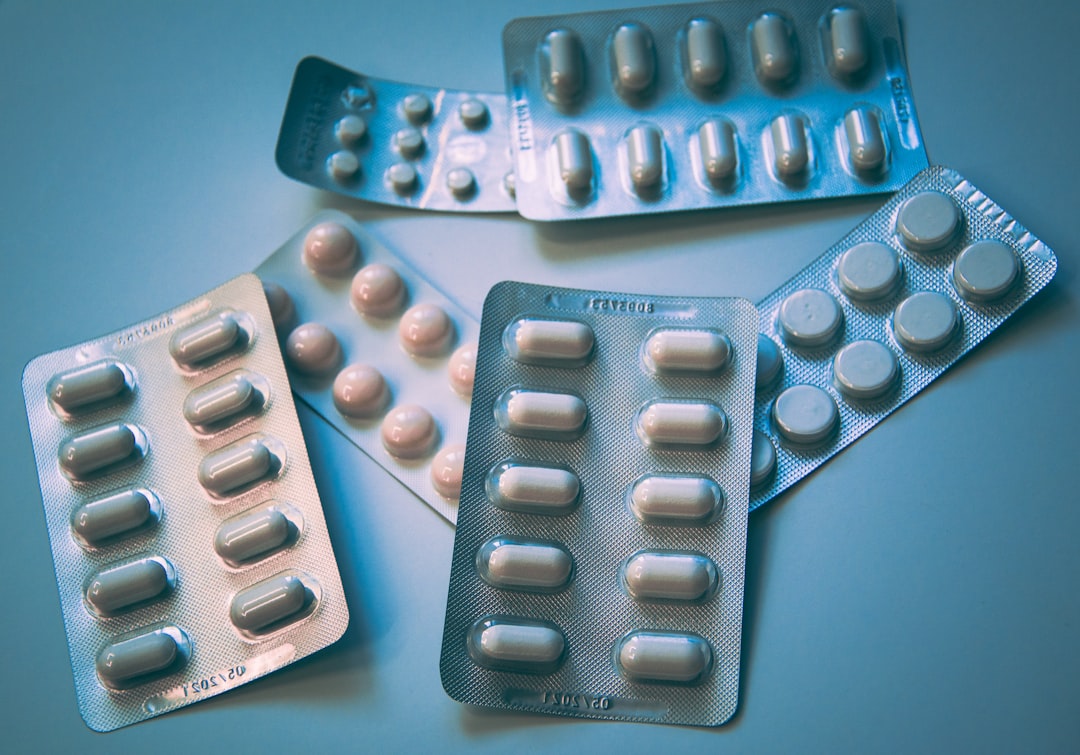
If you cannot take ibuprofen for a medical reason, use acetaminophen alone on the label schedule. Do not use aspirin as a substitute unless a doctor told you it is fine — the American Dental Association is clear that aspirin should never be placed on the gum, and adults with certain conditions should not take it by mouth either. If you are pregnant, only acetaminophen. If in doubt, call your primary care office or a pharmacist before doubling anything.
Step 2: Cool the Outside, Rinse the Inside
Once the pill is in, work on the outside of the face and the inside of the mouth at the same time. This is what takes the pain from a 7 down to a 4 for most patients.
Cold on the cheek
Wrap ice or a cold pack in a thin towel and hold it on the outside of the cheek over the sore tooth for 15 minutes on, 15 minutes off. Cold shrinks the small blood vessels in the area, and less blood flow means less throbbing. Do not put ice inside the mouth directly on the tooth — that can crack enamel that is already fragile. If the pain is on the upper jaw, do not use heat; heat pulls more blood in and makes swelling worse.
Warm salt water rinse
Mix half a teaspoon of table salt in a full glass of warm (not hot) water. Swish slowly for 30 seconds and spit. Do this every 2 to 3 hours. Salt water pulls a small amount of fluid out of inflamed gum tissue, which lowers pressure around the tooth. It is boring, cheap, and it works. Skip mouthwash with alcohol tonight — it stings and dries out the tissue.
Head elevated
When you lie down, prop your head on 2 pillows so it sits above your heart. Flat sleep raises the pressure in the tiny blood vessels around a sore tooth and turns a dull ache into a full throb. This is a free, silent fix that most people skip.
Step 3: Protect the Tooth From Anything That Makes It Worse
Even if you cannot fix the tooth tonight, you can stop making it angrier. For the next 12 to 48 hours until your appointment:
- Chew on the other side. Even one bite of a hard cracker on the sore side can crack a weakened tooth further.
- No very hot or very cold food or drink on that side. Both trigger the exposed nerve.
- No sugar or sticky food on that side. Sugar feeds the bacteria that may already be in a cavity or under a loose filling.
- No alcohol tonight. It raises blood flow to the face and cancels out your ibuprofen.
- Skip the essential oils unless you have used them before. If you already have clove oil at home and know how to dilute it, one careful application is fine — see our honest breakdown of clove oil relief and how many hours it really buys you before you reach for the bottle. New oils in a raw mouth in the middle of the night is not the moment for experiments.
If a piece of a filling has fallen out, you can cover the hole with a small ball of soft dental wax or a piece of sugar-free gum until you are seen. Do not use super glue, do not use plastic, and do not try to place a lost crown back on with anything from the kitchen.
3 Things People Do at Night That Make It Worse
These are the moves we see in the chair the next morning. Please do not do them.
- Placing an aspirin directly on the gum. This burns the tissue in under 10 minutes. We see a white, raw patch that hurts more than the tooth did. Swallow the pill instead.
- Doubling up on ibuprofen every 2 hours. The dose does not "stack." It just raises the risk of stomach bleeding and kidney strain. Stay on the 6-hour schedule.
- Poking the tooth with a toothpick, floss pick, or finger to see if it still hurts. Every poke swells the tissue further and can push a small crack open. Leave it alone until you are seen.
If your home remedies helped on day one and stopped helping on day two, that is a real and specific signal — read why home remedies stop working on a toothache after 48 hours so you know what changed inside the tooth.
When to Stop Waiting and Call Now
Home care buys time. It does not treat the cause. Call a same-day or emergency dentist if any of these are true right now:
- Swelling in the face, jaw, or neck that you can see in the mirror
- Fever above 100.4°F (38°C)
- Trouble opening your mouth, swallowing, or breathing
- A bad taste of pus or a small pimple-like bump on the gum
- Pain that ibuprofen and acetaminophen together no longer touch
- The tooth was hit or knocked in the last 24 hours
These are the specific patterns that mean the infection has moved past the tooth and into the surrounding bone or soft tissue. This is also covered in more detail in our checklist of 5 red flags a toothache is an infection that oils will not touch and in our guide to what counts as a dental emergency in Berkeley and what can wait till Monday. If any of the bullets above match you, do not wait for morning — call.
Per the American Dental Association's dental emergency guidance, facial swelling and fever with a toothache are treated as urgent because a spreading dental infection can become a medical problem within hours.
What the Berkeley Appointment Actually Fixes
Once you are in the chair, the pain source is usually one of four things: a deep cavity, a cracked tooth, a failing old filling or crown, or an infected nerve inside the tooth. Each has a different fix.
- Deep cavity: A new filling or, if the decay is near the nerve, a same-day pulp treatment.
- Cracked tooth: A crown, a bonded repair, or in severe cases an extraction with an implant plan. Not sure which one it is? Our post on cracked tooth vs cavity and the pain test you can do at home walks through the difference.
- Failing filling or crown: A cleanout and re-seal, often the same visit.
- Nerve infection: A root canal or an extraction. Learn the signs at our page on signs you need root canal therapy.
Whichever it is, the visit is faster and cheaper the sooner you come in. Waiting a full week with pain at 7 out of 10 almost always turns a filling into a crown or a crown into a root canal.
Book Your Same-Week Slot in Berkeley
Acorn Family Dental Care keeps same-week slots open for tooth pain across Berkeley, Oakland, Albany, El Cerrito, Emeryville, and Alameda. Extended hours run until 7 p.m. on Wednesday for working families. If you are in real pain right now, contact our Berkeley office and ask for the next available toothache slot. If your office is closed and the pain is above an 8, call the after-hours line on the same page.
Frequently Asked Questions
- What is the fastest way to stop unbearable tooth pain at home tonight? 400 mg ibuprofen plus 500 mg acetaminophen, cold compress on the cheek 15 minutes on and 15 minutes off, head elevated on 2 pillows, and warm salt water rinses every 2 to 3 hours. Expect the pain to drop within 45 to 90 minutes. If it does not, call now.
- Should I put an aspirin or a pill directly on the tooth? No. It burns the gum and makes the pain worse. Swallow the pill.
- How do I sleep with unbearable tooth pain? Take your pain dose 45 minutes before bed, sleep on 2 pillows, keep a cold pack nearby, and skip alcohol and hot drinks that night.
- Is unbearable tooth pain always an emergency? Not always, but always a signal to be seen within 24 to 72 hours. Pain with swelling, fever, or trouble swallowing is a same-day emergency.
- Can I wait until Monday? Only if the pain drops with medicine, you can eat soft food, and you have no swelling or fever. Any of those and you cannot wait.
- What if the pain suddenly stops? Book the exam anyway. A nerve that dies off silently is still infected and will flare later.