

You started with clove oil. It worked. You added ibuprofen at hour six, warm saltwater rinses at hour twelve, and a cold compress before bed. For a day and a half the pain stayed manageable. Now it is Tuesday morning, the throb is back, and nothing is touching it. If your toothache home remedy not working feels like a betrayal, it is not — it is biology on a schedule. Most home fixes lose their grip somewhere between 24 and 48 hours after they start, and the reason has nothing to do with the brand of oil in your cabinet.
This guide, from Dr. Teah Nguyen at Acorn Family Dental Care in Berkeley, explains why the two-day wall exists, what is happening inside your tooth while the remedies fade, and what to do the morning you wake up and realize you are out of tricks.
The 48-Hour Wall: Why Your Toothache Home Remedy Is Not Working Anymore
Home remedies for tooth pain work in one of three narrow ways. They numb a nerve on the surface. They quiet swelling in the gum. Or they slow bacteria on the outside of the tooth. Every well-known remedy — clove, tea tree, peppermint, saltwater, cold packs, ibuprofen, benzocaine gel — lives inside one of those three lanes.
A serious toothache does not live in those lanes. It comes from bacteria or damage inside the tooth, in a sealed chamber called the pulp. In the first day or two, your body's own defenses plus your surface remedies can hold the line. After about 48 hours, the pressure inside the pulp climbs faster than any surface treatment can bring it down. That is the wall you just hit.
What Is Happening Inside Your Tooth in the First 48 Hours
The pulp is a soft center full of nerves, blood vessels, and living tissue, all wrapped in the hardest material in your body. When bacteria break in through a cavity, a crack, or a leaky old filling, the pulp swells the way any bruised tissue would. But it has nowhere to swell to.
- Hours 0-12: Mild inflammation. Surface remedies distract the nerve. You feel in control.
- Hours 12-24: Bacteria multiply in the warm, closed space. Pressure builds. Cold water still helps; heat starts to hurt.
- Hours 24-48: Pulp tissue begins to die in patches. The nerve fires without any trigger. Throbbing starts to sync with your heartbeat.
- Hour 48 and beyond: The infection begins to move out of the tooth toward the root tip. The gum around the tooth becomes tender. This is when home remedies stop making a dent.
The National Institute of Dental and Craniofacial Research describes this process — irreversible pulpitis — as the point at which the tooth can no longer heal itself. From here on, only removing the infected pulp will end the pain.
Hour by Hour: How Each Remedy Fades
Different home fixes fail on different clocks. Knowing the pattern helps you see the wall coming.
Clove oil (eugenol)
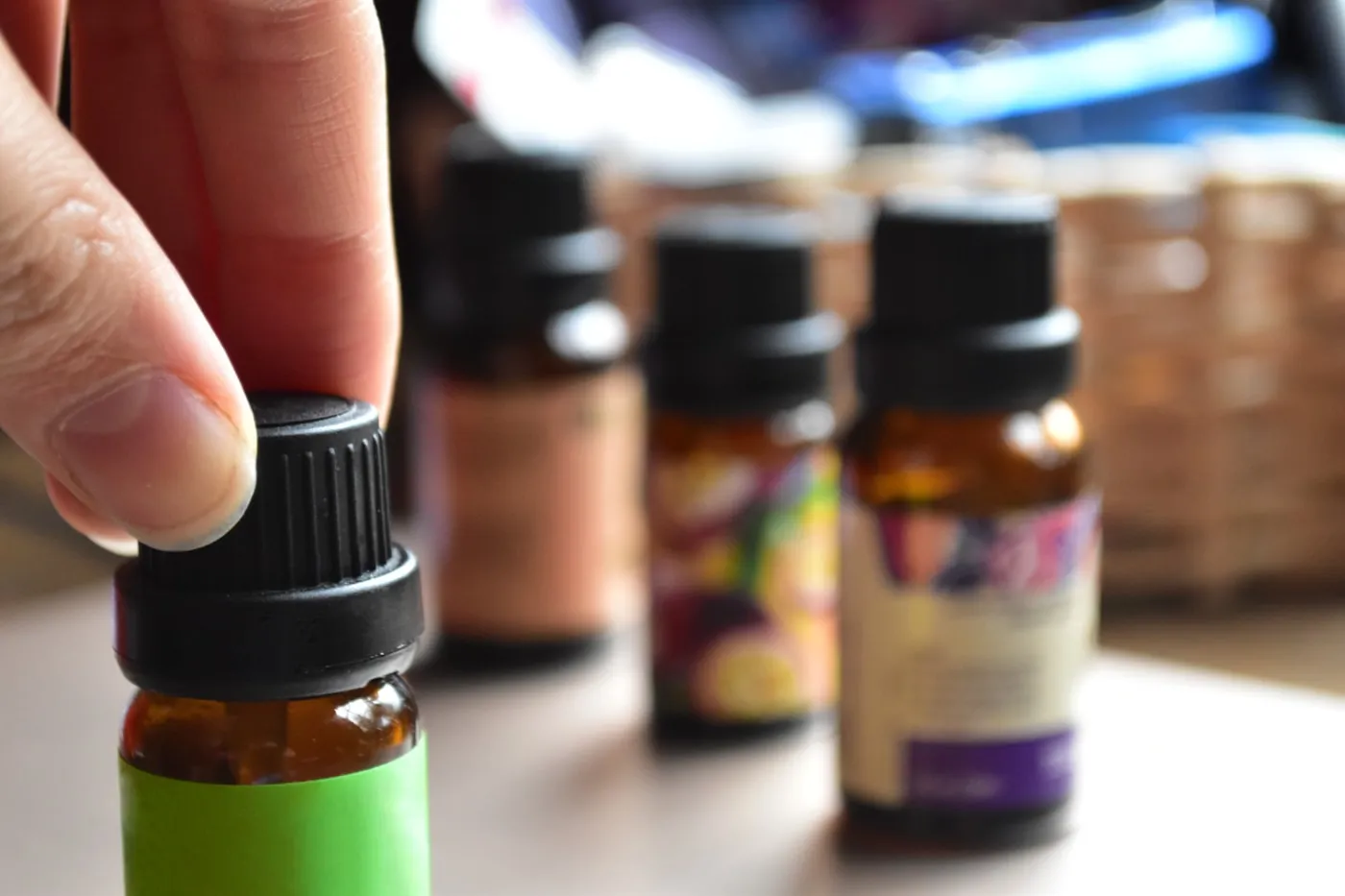
Eugenol numbs by blocking nerve signals in the outer gum. It works for two to four hours per application at first. By hour 36, the same drop lasts about an hour. By hour 48, it barely takes the edge off, because the pain source has moved deeper than the oil can reach. Our companion post on the best essential oils for toothache covers safe use, dilution, and the point at which oils cross from helpful to harmful.
Ibuprofen and acetaminophen
Painkillers do not shrink an inflamed pulp — they mute the message your nerve sends to your brain. The pulp keeps swelling underneath. You feel fine for four to six hours, then the pill wears off and the pain is worse than the dose before. When you find yourself watching the clock for the next tablet, that remedy has stopped working too.
Saltwater rinses
A warm saline rinse draws fluid out of swollen gum tissue and washes food debris away. It does nothing inside the tooth. After 48 hours, most of the pain lives inside the tooth. The rinse still helps your gum feel less puffy, so you think it is working — while the true source keeps growing.
Cold compresses
Ice on the outside of the cheek narrows blood vessels and slows the swelling around the jaw. It never touches the pulp. Once the pulp is dying, cold on the face is a comfort, not a fix.
Signs Your Toothache Home Remedy Is Not Working Anymore
Pain patterns change as the wall approaches. Any of these mean you are past the point where a bottle of oil will pull you back:
- Throbbing that matches your pulse, especially when you lie flat
- Pain that wakes you from sleep two or more nights in a row
- A dull ache that is now steady instead of coming and going
- Hot drinks hurt more than cold — a reversal from day one
- A bad or metallic taste in your mouth that does not brush away
- Tenderness when you tap the tooth with a spoon or a fingernail
- The same dose of ibuprofen buys you less time each round
Our post on throbbing tooth pain at night explains why lying down often triggers the sharpest version of this pain, and our guide to the red flags a toothache is infected covers the swelling and fever signs that turn a bad toothache into an emergency.
The Real Cost of Waiting Another Week
Berkeley patients often push past the 48-hour wall because the pain, while steady, is not yet unbearable. That week of waiting is where cheap fixes turn into expensive ones.
- Day 3: A large filling may still save the tooth.
- Day 5 to 7: Root canal therapy is usually needed to remove the infected pulp and keep the natural tooth.
- Day 10 and later: The tooth may be too damaged to save. Extraction and an implant become the plan.
- Any day with facial swelling or fever: The infection has left the tooth. Same-day care is required.
The difference between a $300 filling and a $4,500 implant is often one week of hoping the oils will start working again. If you are already wondering which side of that line you are on, our breakdown on whether you need a root canal or just a filling lists the six signs Berkeley patients most often miss.
What to Do the Day Your Home Remedy Stops Working
The first move is not another remedy. It is a phone call.
- Call your dentist the morning of hour 48. Say the words "the pain is now waking me up" or "the pain is throbbing" — most practices, ours included, hold same-week slots for exactly that description.
- Keep taking ibuprofen on the label schedule until your appointment, and rotate with acetaminophen if you have no medical reason to avoid it. This will not fix the tooth, but it will keep the pain within reach.
- Sleep with your head propped up on two pillows. Elevation lowers the blood pressure in the tooth and takes the edge off the nighttime throb.
- Do not put aspirin directly on the gum. It burns the tissue and never enters the tooth.
- Watch for fever, swelling that closes an eye, or trouble swallowing. Any of those are emergency-room signs, not next-week signs.
How Acorn Family Dental Care Handles a 48-Hour Toothache
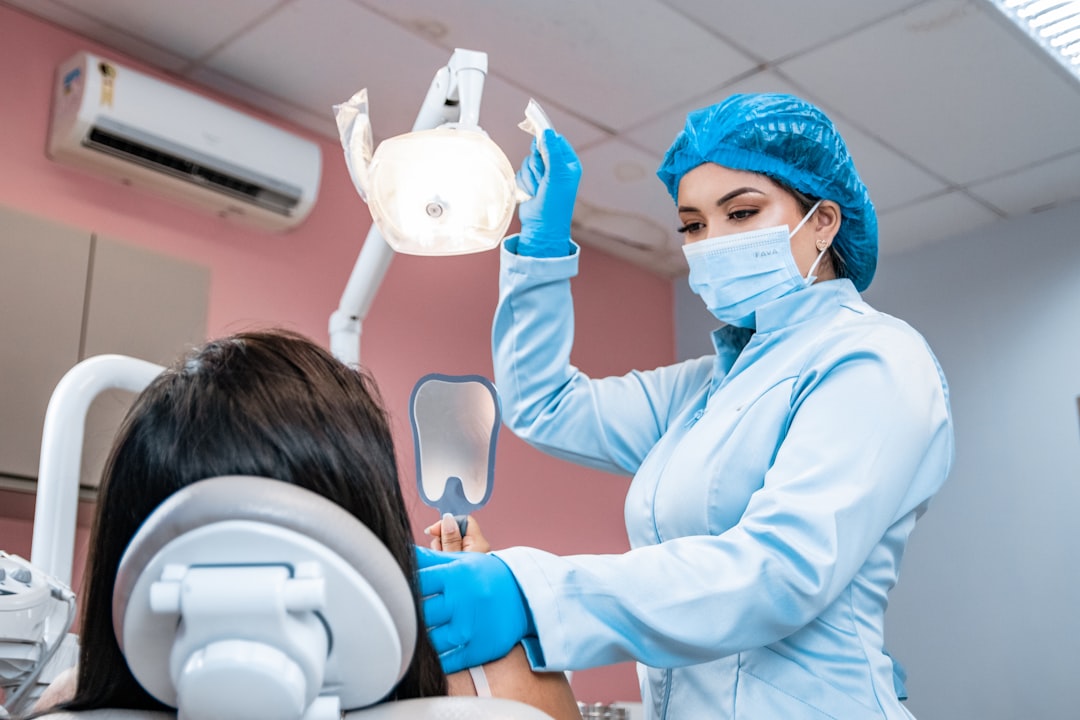
When you walk in, Dr. Nguyen does a short, ordered workup: a percussion test with a soft instrument, a cold test on the sore tooth and one neighbor for comparison, and a small X-ray to look for changes at the root tip. Most 48-hour toothaches show one of three findings — a deep cavity into the pulp, a cracked cusp, or a failed old filling. Each has a clear next step.
If the pulp is still alive, the fix may be a large filling or an onlay. If the pulp is inflamed past the point of recovery, we discuss root canal therapy, which removes the infection, saves the tooth, and ends the pain the same day. If the tooth cannot be saved, we plan an extraction with an implant or bridge as the long-term fix. Nitrous oxide and stereo headphones are available for anyone whose fear of the chair has been part of the delay.
Our office is open Tuesday and Wednesday until 7 PM for East Bay patients who cannot leave work early. Book a same-week toothache appointment and we will match a slot to the pain, not the calendar.