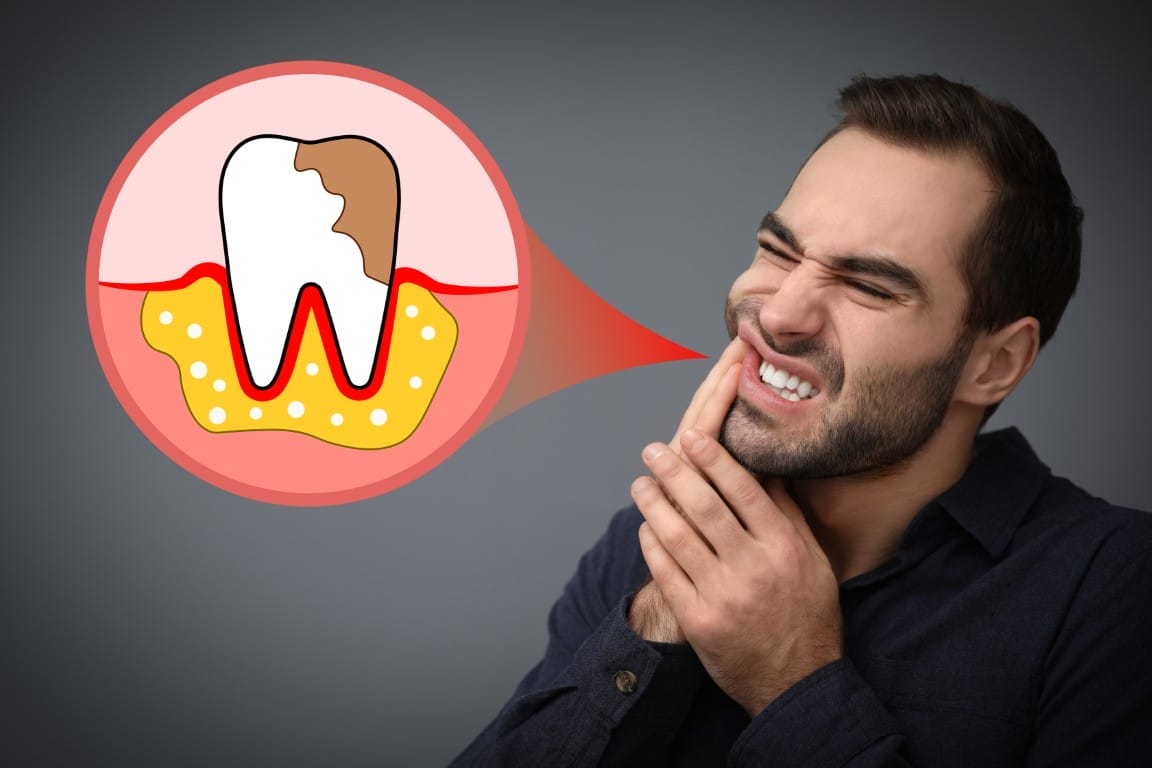



"Bad breath" gets treated as one problem. It isn't. Different smells point to different sources — some oral, some systemic — and the specific odor is often the fastest clue to what's actually going on. An ammonia breath smell is not the same clinical signal as a sweet, fruity odor, and neither has much in common with the sulfur smell of untreated gum disease.
Below, a Berkeley dentist walks through the five breath odors we most often use as diagnostic signals: ammonia, fishy, sweet, sulfur, and musty. Each has a short list of likely causes, and each has a different first stop — dentist, primary care doctor, or emergency care. For the broader clinical picture, our chronic halitosis pillar covers the fundamentals that sit underneath all of these.
What Your Breath Smell Actually Tells a Dentist
Diagnostically, breath is a mix of volatile compounds coming from your mouth, your lungs, your GI tract, and your bloodstream. Anything in the blood that's volatile — ketones, ammonia, mercaptans, sulfides — can cross the alveolar membrane and show up on your breath. That's why the odor is so useful: it's essentially an unfiltered readout of a few different body systems at the same time.
A halitosis-focused workup pairs odor descriptors with instrument measurements. Our post on what a bad breath specialist actually tests for covers the six-part protocol in detail — but the smell itself often narrows the field before we start measuring anything.
Ammonia Breath Smell: What It Signals About Your Kidneys
An ammonia breath smell — sharp, urine-like, sometimes described as "cat litter" — is the odor patients most often assume is coming from their mouth when it isn't. The compound behind it is ammonia itself (NH₃), which the kidneys normally filter out of the blood.
When kidney function drops, urea builds up. The body converts some of it to ammonia, and enough of that gas reaches the lungs to be exhaled. The medical term is uremic fetor, and it's a recognized clinical sign of advanced chronic kidney disease — the National Kidney Foundation lists it among the systemic symptoms of reduced kidney function.
Ammonia breath doesn't only mean kidney disease. Other causes:
- Severe dehydration — concentrates urea in circulation
- Very high-protein diets — increase nitrogen load the kidneys have to clear
- Prolonged fasting or intense exercise — mobilizes protein for fuel
- Certain medications and supplements — including some diuretics
But an ammonia breath smell that persists for weeks — especially alongside fatigue, swelling, or changes in urination — is a signal to see a primary care physician, not just switch mouthwash.
Fishy Breath: TMAU, Kidney, and Liver Signals
A fishy breath odor is one of the most striking, and medically one of the most under-recognized. Two very different pathways produce it:
Trimethylaminuria (TMAU), or "fish odor syndrome." A rare genetic condition where the body can't break down trimethylamine — a compound produced when gut bacteria digest foods like fish, eggs, and legumes. The unmetabolized TMA is released through breath, sweat, and urine. TMAU is inherited, which is why we cover it in our post on whether bad breath can be genetic.
Advanced kidney or liver dysfunction. Both can cause TMA and related amines to accumulate. In late-stage liver disease, the odor overlaps with the musty smell described further down.
A fishy odor that comes and goes with specific foods — especially fish, eggs, or soy — points more toward TMAU. A steady fishy odor paired with other systemic symptoms points toward organ dysfunction and warrants a physician visit sooner rather than later.
Sweet or Fruity Breath: A Diabetes Warning Sign
A sweet, fruity, or acetone-like breath odor is one of the clearest medical warning signals in dentistry. It's the smell of ketones — specifically acetone — being exhaled from the bloodstream.
The most concerning cause is diabetic ketoacidosis (DKA), a medical emergency in which the body burns fat for fuel because it can't use glucose. Ketones accumulate, blood pH drops, and untreated DKA is life-threatening. Fruity breath is a hallmark sign — enough that the American Diabetes Association flags it in patient education.
Ketosis on its own isn't always dangerous. Low-carb diets, extended fasting, and prolonged exercise all produce mild ketone-tinged breath. What makes DKA different is the combination:
- Fruity or acetone breath
- Excessive thirst and urination
- Nausea, abdominal pain, or vomiting
- Confusion or unusual fatigue
If any of that stacks together, it's an emergency room visit, not a dental appointment.
Rotten Egg or Sulfur Breath: The Oral Origin Story
The classic bad-breath smell — rotten egg, cabbage, or "morning breath" turned up loud — is almost always oral in origin. It's caused by volatile sulfur compounds produced by anaerobic bacteria living in periodontal pockets, on the back of the tongue, or in tonsil crypts.
Unlike ammonia or ketone breath, sulfur breath doesn't usually signal systemic disease. It signals a specific ecosystem problem in the mouth — one that responds well to targeted treatment once the source is diagnosed. Our sub-page on what actually causes halitosis walks through the most common oral sources.
Musty or "Mothball" Breath: Fetor Hepaticus
A musty, sweetish, mothball-like odor — clinicians call it fetor hepaticus — is associated with advanced liver disease. It's caused primarily by dimethyl sulfide accumulating in the blood because a damaged liver can no longer clear it efficiently.
Fetor hepaticus is uncommon and typically appears in patients already under care for cirrhosis or portal hypertension. If it's the first symptom you notice, though, it's a signal for immediate medical evaluation — not a dental one.
When an Ammonia Breath Smell Means Doctor First, Dentist Second
A rough triage guide for chronic breath odor:
- Sulfur, rotten egg, stale — start with a dentist. Almost always oral.
- Ammonia, urine-like — start with a primary care physician for a kidney workup.
- Sweet, fruity, acetone — if paired with thirst, nausea, or fatigue, urgent care or ER. Otherwise, primary care.
- Fishy — dentist first to rule out oral causes, then primary care if the odor persists.
- Musty, mothball — primary care, quickly.
Even in cases with a clear systemic cause, the dentist's exam still matters. Oral bacteria often amplify systemic odors, and treating them can noticeably reduce the severity of the smell while the underlying condition is being managed. That's part of why our post on why chronic bad breath doesn't go away emphasizes running the oral workup first, even when a medical cause is suspected.
If you want to talk through what you're smelling before you decide who to see, you can book a consultation and we'll help you triage from there.
Frequently Asked Questions
1. Can my dentist really tell what's wrong from my breath smell?
Not by itself — but the odor plus a diagnostic workup narrows the field quickly. If volatile sulfur compound readings are low and the smell is ammonia or sweet, we route you to a physician fast. If readings are high and the smell is sulfur, we treat it in the office. The odor description is often our first clue before we even start measuring.
2. Is an ammonia breath smell always a kidney problem?
No. Ammonia-tinged breath can come from severe dehydration, very high-protein diets, prolonged fasting, or intense exercise. But an ammonia breath smell that persists for weeks, especially alongside fatigue, swelling, or changes in urination, deserves a kidney workup rather than an assumption.
3. What does diabetic breath actually smell like?
Sweet, fruity, or like nail-polish remover (acetone). It's caused by ketones being exhaled from the bloodstream. In diabetic ketoacidosis, the odor is paired with excessive thirst, nausea, and fatigue — and it's a medical emergency, not a dental issue.
4. Why does my breath sometimes smell like fish?
Two possibilities. The most common is trimethylaminuria (TMAU), a genetic condition where the body can't break down trimethylamine from foods like fish, eggs, and legumes. The less common but more urgent cause is late-stage kidney or liver dysfunction. A dentist can rule out oral causes first, then guide you to the right physician.
5. Can dehydration cause an ammonia breath smell?
Yes. Dehydration concentrates urea in the blood, which raises circulating ammonia and can produce a mild ammonia odor on breath. Rehydrating usually clears it within a day. If the smell persists even after you've caught up on fluids, that's worth investigating further.