


Call Acorn Family Dental Care now: (510) 848-0114. A partially dislodged tooth is a true dental emergency, and the window to save it is measured in hours — not days. If you or someone near you has had a tooth knocked partially out of its socket, follow the steps below immediately and head to our Berkeley office as fast as you can.
If you cannot reach us by phone, have someone drive you directly to Acorn Family Dental Care. Do not wait to see if the pain fades — a partially dislodged tooth will not reposition itself, and without prompt professional care it can die, become infected, or be lost entirely.
What Is a Partially Dislodged Tooth?
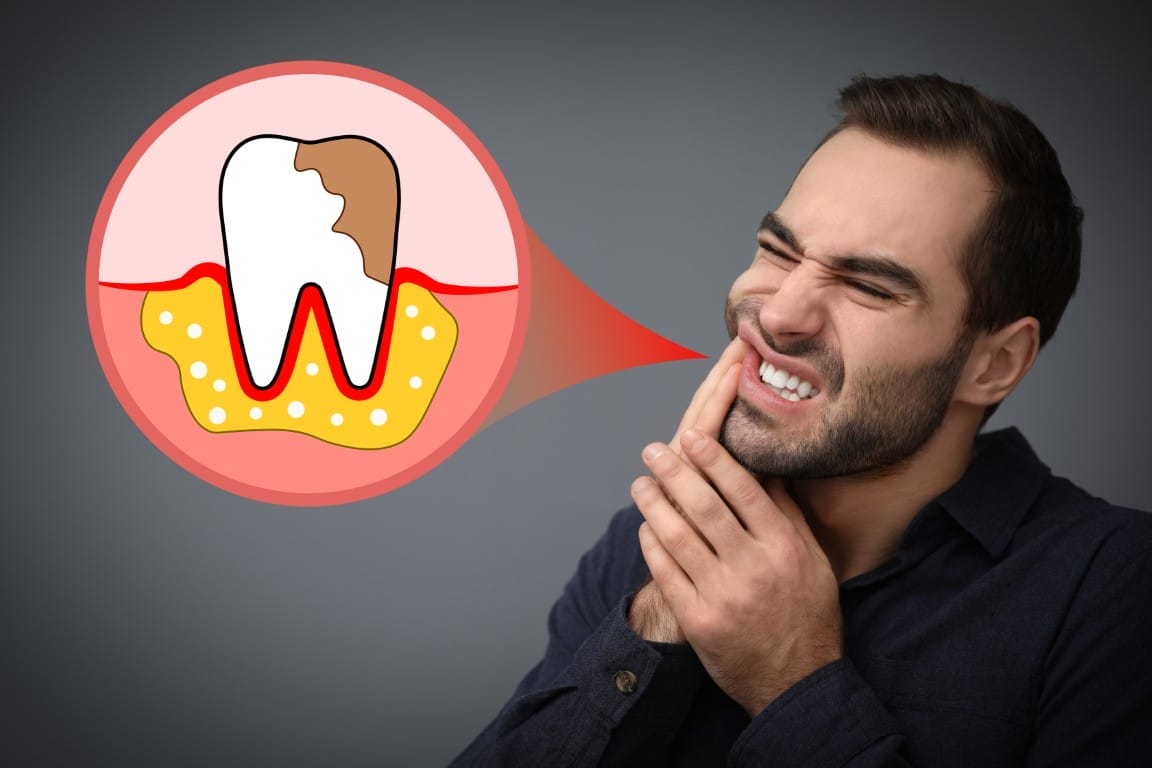
A partially dislodged tooth — also called a tooth extrusion — occurs when trauma forces a tooth partway out of its normal position in the gum socket. Unlike a completely knocked-out tooth (avulsion), the tooth is still attached, but it has shifted out of alignment and the surrounding periodontal ligament, nerves, and blood vessels may be stretched or torn.
Common causes include:
- Sports injuries and collisions
- Falls or trips
- Car or bicycle accidents
- A direct blow to the face
- Biting down hard on an unexpected object
With prompt professional care, many extruded teeth can be repositioned and stabilized successfully. Research in dental traumatology consistently shows that teeth treated within one to two hours of injury have significantly better outcomes than those treated after several hours or days. Every minute matters.
Immediate Steps: What to Do Right Now
While you arrange transportation to our office, take these six steps to protect the tooth and manage your discomfort:
- Stay calm and keep the tooth still. Resist the urge to touch, wiggle, or try to push the tooth back into place with your fingers or tongue. Every unnecessary movement risks further damaging the ligament, root, and surrounding tissue.
- Control the bleeding. Fold a clean piece of gauze or a soft cloth into a small pad and hold it gently but firmly against the affected area. Do not rub — maintain steady pressure until the bleeding slows. A moistened tea bag works as a substitute if gauze is not available.
- Take an over-the-counter pain reliever. Ibuprofen (Advil, Motrin) at the standard adult dose is the better choice here because it reduces both pain and swelling. Acetaminophen (Tylenol) is a suitable alternative if you cannot take ibuprofen. Do not apply aspirin directly to the gum — it can irritate soft tissue and slow clotting.
- Apply a cold compress to your cheek. Wrap a bag of ice or frozen vegetables in a thin cloth and hold it against the outside of your jaw for 10 minutes on, 10 minutes off. The cold constricts blood vessels, reduces swelling, and provides some natural numbing relief in the surrounding area.
- Avoid eating, drinking, and forceful rinsing. Do not eat or drink anything until you have been evaluated. Avoid hot or cold beverages in particular, as temperature changes can aggravate the injured tissue and nerves. A very gentle warm salt-water rinse (half a teaspoon of salt in a cup of water) is acceptable to remove visible debris — but do not spit or swish forcefully.
- Call us immediately and come in. Call (510) 848-0114 to let us know you are on your way. Acorn Family Dental Care reserves time for same-day dental emergencies. The sooner we can reposition and stabilize the tooth, the higher the probability of a full recovery.
When to Go to the Emergency Room First
A partially dislodged tooth is a dental emergency, not a medical one — in most cases, come directly to us. However, go to the emergency room first if you are also experiencing any of the following:
- Signs of a broken or dislocated jaw
- Loss of consciousness, even briefly, from the same incident
- Severe head, neck, or spine pain
- Difficulty breathing or swallowing
- Uncontrolled bleeding that does not slow after 15 minutes of steady pressure
Once you are medically cleared, call us and come in. We are better equipped than an ER to manage the tooth-specific aspects of your injury, and faster treatment leads to better outcomes.
What Dr. Nguyen Will Do at Our Berkeley Office
When you arrive at Acorn Family Dental Care, Dr. Teah Nguyen will assess the injury and act quickly to stabilize the tooth. Here is what to expect:
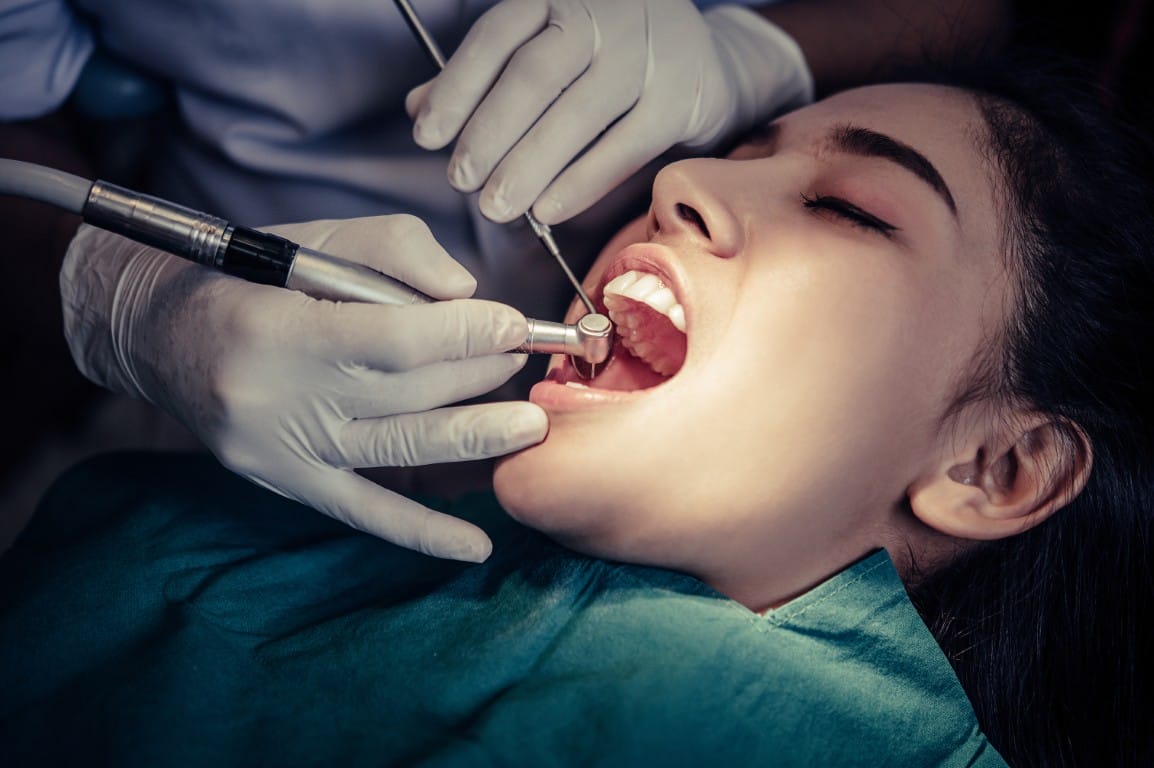
- Clinical examination. Dr. Nguyen will examine the tooth and surrounding gum tissue for signs of additional injury, checking tooth mobility, sensitivity, and any soft tissue lacerations.
- Digital X-rays. We take precise digital X-rays immediately to evaluate the root, the bone socket, and any hairline fractures that may not be visible to the naked eye. This step is essential for choosing the right treatment path.
- Local anesthesia. We numb the area completely before any procedure so you will not feel pain during repositioning. For patients with significant dental anxiety, we also offer nitrous oxide sedation — just let us know when you call.
- Tooth repositioning. Dr. Nguyen gently guides the tooth back into its correct anatomical position in the socket. This is a precise procedure that should only be performed by a trained dental professional.
- Splinting. A thin wire or composite resin splint is bonded to the injured tooth and the adjacent healthy teeth to hold everything stable while the ligament heals. Most patients wear the splint for two to four weeks.
- Follow-up care plan. Depending on the extent of nerve damage, a root canal may be recommended in the weeks following repositioning. We outline your complete recovery plan before you leave and schedule follow-up X-rays to confirm healing progress.
Recovery: What to Expect
Most patients with a promptly treated extruded tooth have a good prognosis. The healing timeline depends on the severity of the original injury and whether the root or nerve was affected:
- Splint removal: typically 2–4 weeks after repositioning
- Initial bone healing: 4–8 weeks
- Full ligament reattachment: 6–12 weeks in uncomplicated cases
- Root canal follow-up: scheduled 2–4 weeks after splinting if nerve involvement is detected
During recovery, stick to soft foods — yogurt, mashed potatoes, scrambled eggs, soup — and avoid biting or chewing near the injured tooth. Continue brushing and flossing gently around the area. If you notice increasing pain, a darkening tooth, persistent swelling, or a bad taste near the site, contact us right away — these can be early signs of infection or root resorption that need prompt attention.
If the tooth does not survive despite treatment, do not worry — we will discuss replacement options including dental crowns, bridges, and dental implants to restore your smile and bite function.
Why Berkeley Patients Choose Acorn Family Dental Care for Dental Emergencies
Dental emergencies do not follow a schedule, and neither do we. Dr. Teah Nguyen and our team reserve time each day for urgent situations, and our extended hours — open until 7 PM on Tuesdays and Wednesdays — mean you are not stuck waiting until the next morning.
- Same-day emergency appointments for dislodged, broken, and knocked-out teeth
- Digital X-rays for immediate, accurate diagnosis with low radiation exposure
- Nitrous oxide sedation and in-chair headphones for anxious patients
- Extended hours — open until 7 PM Tuesdays and Wednesdays
- Comprehensive follow-up care including root canal therapy and dental crowns if needed post-injury
- 98% patient retention rate — a reflection of the care and trust we build with every patient
We serve patients throughout Berkeley, Oakland, Albany, El Cerrito, Emeryville, and the greater East Bay. If you or someone you know has suffered a tooth injury, do not wait. Call (510) 848-0114 or request an emergency appointment online.
Frequently Asked Questions
Can a partially dislodged tooth heal on its own?
No. A partially dislodged tooth will not reposition itself and the surrounding ligament will not heal correctly without professional care. Without treatment, the tooth will likely die, the socket can become infected, and you risk permanent tooth loss. Prompt dental care is not optional — it is essential.
How long do I have to save a partially dislodged tooth?
The best outcomes happen within one to two hours of the injury. Unlike a fully knocked-out tooth where minutes matter, you have a slightly larger window — but delays still significantly increase the risk of nerve death and infection. Call us immediately and come in as fast as you can.
Will the repositioning procedure hurt?
No. We numb the area completely with a local anesthetic before repositioning, so you will not feel pain during the procedure. Some soreness and sensitivity are normal for several days afterward and can typically be managed with ibuprofen. Patients with dental anxiety can request nitrous oxide sedation — just mention it when you call.
What if the tooth cannot be saved?
If the root is fractured or the injury is too severe, extraction may be necessary. In that case, we walk you through tooth replacement options including dental crowns on neighboring teeth, bridges, and dental implants — the most durable and natural-feeling long-term solution for a missing tooth.
Tooth knocked loose? Do not wait it out. Call Acorn Family Dental Care in Berkeley at (510) 848-0114 for same-day emergency dental care, or request your appointment online.