
Most weeks a patient walks into our Berkeley office holding one side of their jaw and says the same thing: "I looked it up and I think I need a root canal." Sometimes they are right. About four times out of ten, they are not — and the tooth is telling them about a crack, a cavity, a sinus infection, or a night of hard grinding instead. The signs you need a root canal are real and specific, but they overlap with four other problems that hurt in nearly the same way. Learning which is which saves you from a treatment you do not need and, more importantly, stops you from waiting on one you do.
Dr. Teah Nguyen has run the same short diagnostic on every one of these patients since taking over Acorn Family Dental Care in 2021. This post walks through the six real signals we look for, the four look-alikes we rule out, and the 20-minute chair test that tells them apart.

The First 4 Signs You Need a Root Canal
These are the classic four. If two or more of them show up on the same tooth for more than 48 hours, we schedule a diagnostic visit.
- Cold pain that lingers. A healthy tooth reacts to a sip of cold water for 1 to 2 seconds and stops. A tooth with an inflamed nerve keeps hurting for 30 seconds, a full minute, sometimes longer. That "it should have stopped by now" feeling is the single most reliable sign we see.
- Sharp pain when you bite one specific tooth. Not general soreness — a jolt, always the same tooth, always the same spot. It usually means the infection has reached the tissue at the tip of the root and biting compresses it.
- Throbbing that gets worse when you lie down. Blood pressure rises slightly in your head when you go horizontal, so an already-pressurized canal throbs harder at night. Berkeley patients often describe it as "a heartbeat in the tooth."
- A small pimple-like bump on the gum. A pea-sized bump near the base of a tooth, sometimes leaking a bad taste, is a drainage point for infection at the root tip. This one is not painful, which is why people ignore it — and it is one of the strongest signals of all.
Two Quieter Signs You Need a Root Canal Most People Miss
These next two are the ones patients wave off. Both are real signs the nerve has already stopped working.
- A tooth that has darkened. Compare it to the ones next to it in bright light. A greyish, yellowed, or dusky tooth means the nerve inside has died and the color of the dead tissue is showing through the enamel. It does not hurt because there is no live nerve left to hurt.
- A tooth that suddenly stops reacting to cold. If a tooth used to twinge on ice water and now feels like nothing, the nerve has gone quiet. That is not "healing" — it is shutting down. This is the exact scenario we walk through in how a Berkeley dentist tells root canal from nerve damage, because the treatment is still root canal therapy but the urgency changes.

The 4 Things People Confuse With a Root Canal Problem
Here is where a lot of Berkeley patients get worried for the wrong reason. These four problems can feel almost identical to a root canal but need completely different treatment.
1. A Cracked Tooth
A hairline crack in the enamel gives a very sharp, quick pain when you bite down and release — not when you hold pressure. Cold can trigger it too. The tell is that the pain hits on release of the bite, not during it. A cracked tooth may still be savable with a crown alone if we catch it early. The at-home version of this test is walked through in cracked tooth vs cavity: the pain test.
2. A Deep Cavity That Has Not Yet Reached the Nerve
A big cavity aches with sweets, cold, and sometimes pressure — but the pain fades within a few seconds of the trigger. That is the difference. If it lingers past 30 seconds, we are closer to a root canal problem. If it does not, a regular filling usually solves it. We break the six overlap points down in do I need a root canal or just a filling.
3. Sinus Pressure Pushing on the Upper Back Teeth
The roots of your upper molars sit millimeters from the floor of your sinus cavity. A cold, seasonal allergy, or sinus infection presses on those roots and makes 2 or 3 teeth ache at once — usually on the same side. Root canal pain is almost always one tooth. If bending forward makes it worse, or if you have congestion, it is likely sinus, not tooth.
4. Jaw-Muscle Pain From Grinding or a TMJ Flare
Clenching at night makes the muscles along your jaw sore, and that soreness radiates into the back teeth. It feels like a tooth problem but it is a muscle problem. The clue is that the pain is worst in the morning, involves both sides or a whole quadrant, and eases through the day. A night guard usually fixes it — not a root canal.
The 20-Minute Chair Test for Signs You Need a Root Canal
The whole point of a diagnostic visit is to tell those six real signals apart from those four look-alikes without guessing. Dr. Nguyen runs the same four-part exam every time.
- Cold test. A cotton pellet dipped in a cold spray is touched to each tooth in the area. A live-but-inflamed nerve reacts sharply and holds. A dead nerve does not react at all. A cracked tooth reacts quickly and stops.
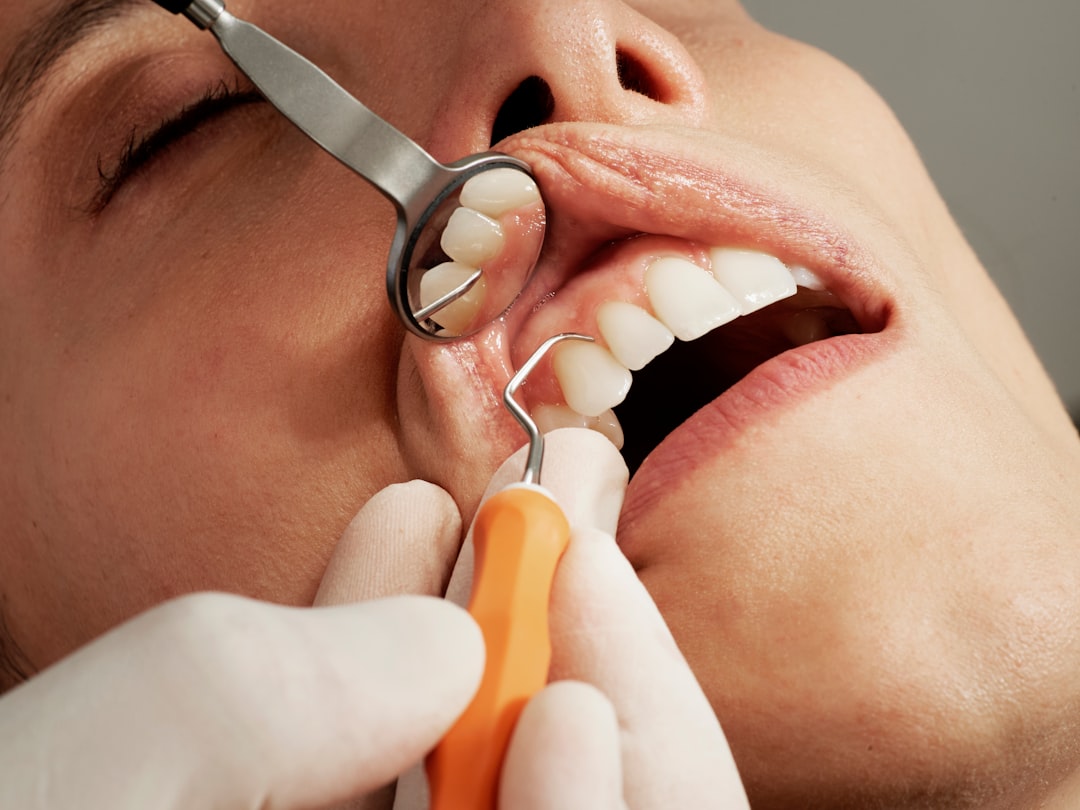
- Bite test. You bite gently on a small stick placed on different parts of the tooth. Pain on release points to a crack; pain during the bite points to nerve inflammation at the root tip.
- Percussion tap. A soft tap on each tooth with a mirror handle. A tooth with root-tip inflammation is noticeably more tender than its neighbors.
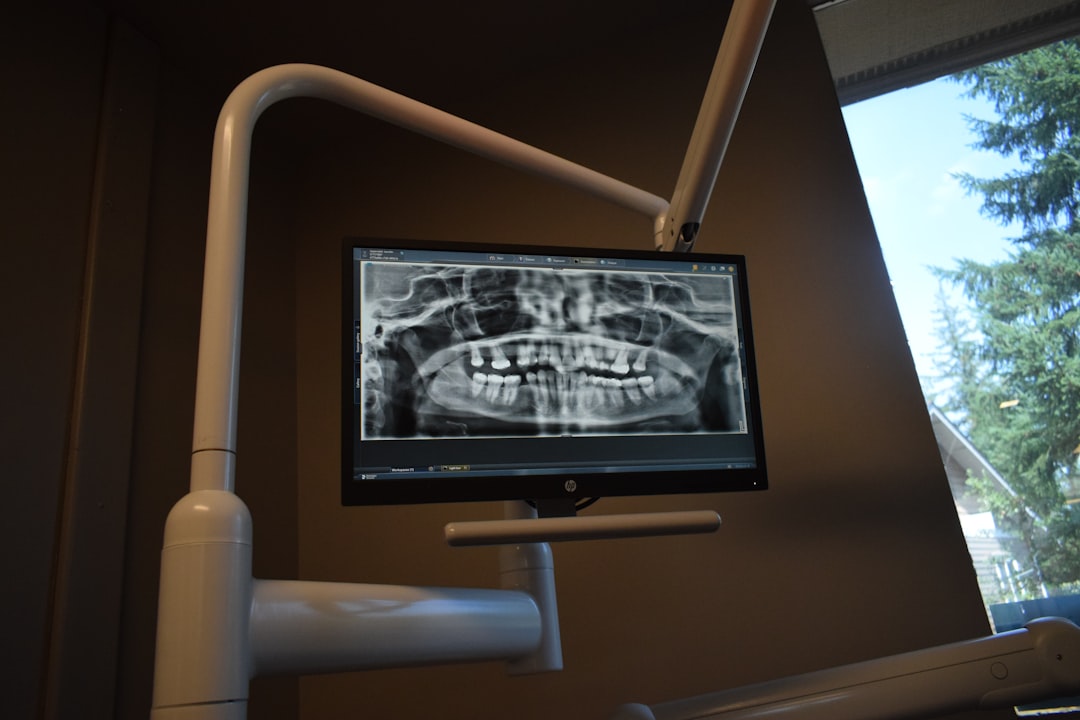
- Single X-ray. A digital X-ray of the suspect tooth. A dark shadow at the tip of the root confirms the infection has passed through the nerve into the surrounding bone.
Those four tests together are more than 90% accurate at telling the five possible causes apart. The American Association of Endodontists uses the same sequence in its published diagnostic guidelines.
What Happens If You Wait Too Long
A root canal is not a same-day emergency the way a knocked-out tooth is. But it does have a clock on it. Once a nerve dies, the empty canal fills with bacteria and infection slowly moves out through the tip of the root into the jaw bone. Weeks matter. Berkeley patients we treat within 1 to 2 weeks of the first strong signal almost always keep the tooth cleanly with non-surgical root canal therapy. Patients who wait 6 to 12 months are the ones we sometimes cannot save, because the bone around the root has been eaten away or the tooth has cracked from the pressure.
When to Call Acorn Family Dental Care
Call us if a tooth has hurt sharply for more than 48 hours, if cold pain lingers past 30 seconds, if you see a bump on the gum near a tooth, if a tooth looks darker than its neighbors, or if you have any facial swelling. Dr. Teah Nguyen keeps same-week diagnostic slots at our Berkeley office, and Wednesday visits run until 7 PM so working families do not have to take a day off. The root canal therapy service page has the full overview of what treatment looks like once the diagnosis is confirmed.
You can book a diagnostic exam online in under a minute, or call the front desk and we will find you a slot the same week.
FAQ: Signs You Need a Root Canal
- What is the single most reliable sign? Cold pain that lingers 30 seconds or longer after the cold is gone. On its own, it is enough to book a diagnostic visit.
- Can a root canal problem happen with no pain? Yes — a nerve that has already died stops sending signals. Watch for a darkened tooth, a gum bump, or a tooth that stopped reacting to cold.
- Does a root canal always hurt during treatment? No. Modern anesthesia and, if you want it, nitrous sedation keep almost every Berkeley patient we treat comfortable through the whole visit.
- What if it is only sensitivity, not pain? Sensitivity that comes and goes and fades within seconds is usually a filling or grinding problem, not a root canal one. Track it for a week — if it starts lingering, call.
- Is a bump on the gum an emergency? Not tonight, but this week. It means an infection is draining from the tip of a root. Book a diagnostic visit within 5 to 7 days.