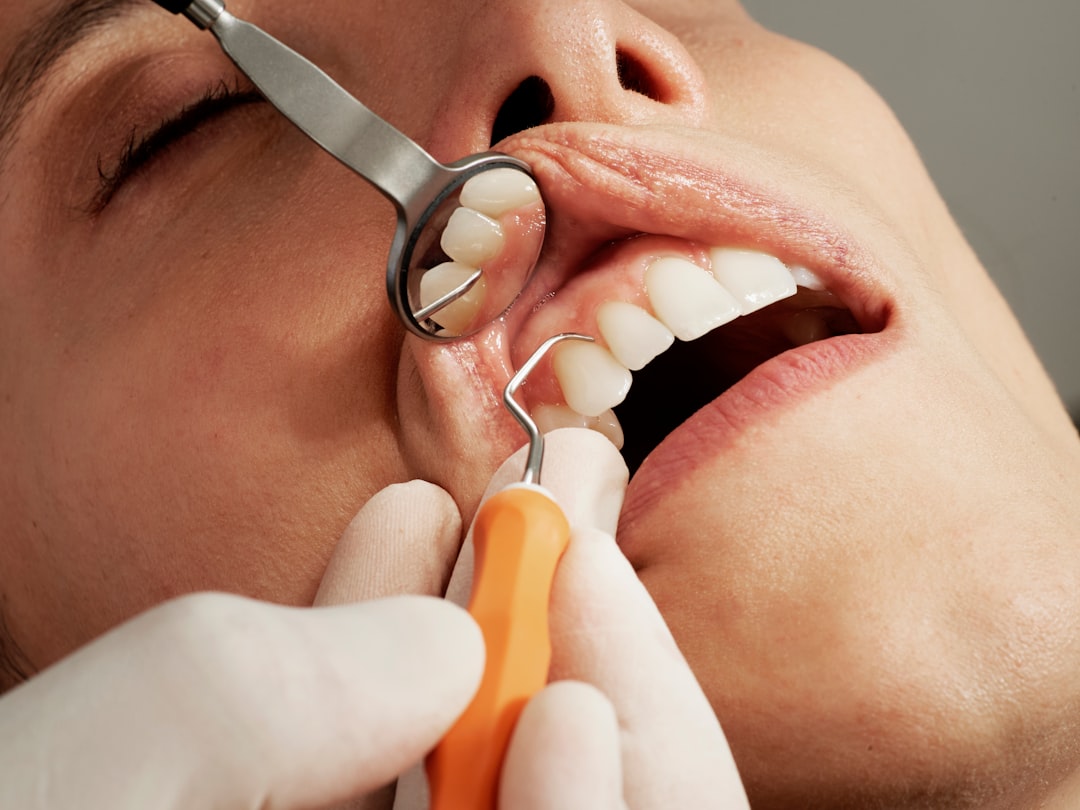

You have chronic bad breath. You have been to the internet. Half the articles blame your gums. The other half blame your stomach. So which is it? For most patients who ask me is bad breath from stomach or teeth, the honest answer is: about 85 to 90 percent of chronic halitosis starts in the mouth, and gum disease is the single most common driver. The gut can absolutely play a role — but only in specific patterns you can spot. This guide splits the two causes cleanly, gives you a 60-second self-test, and tells you when to book a cleaning versus when to call your primary care doctor.
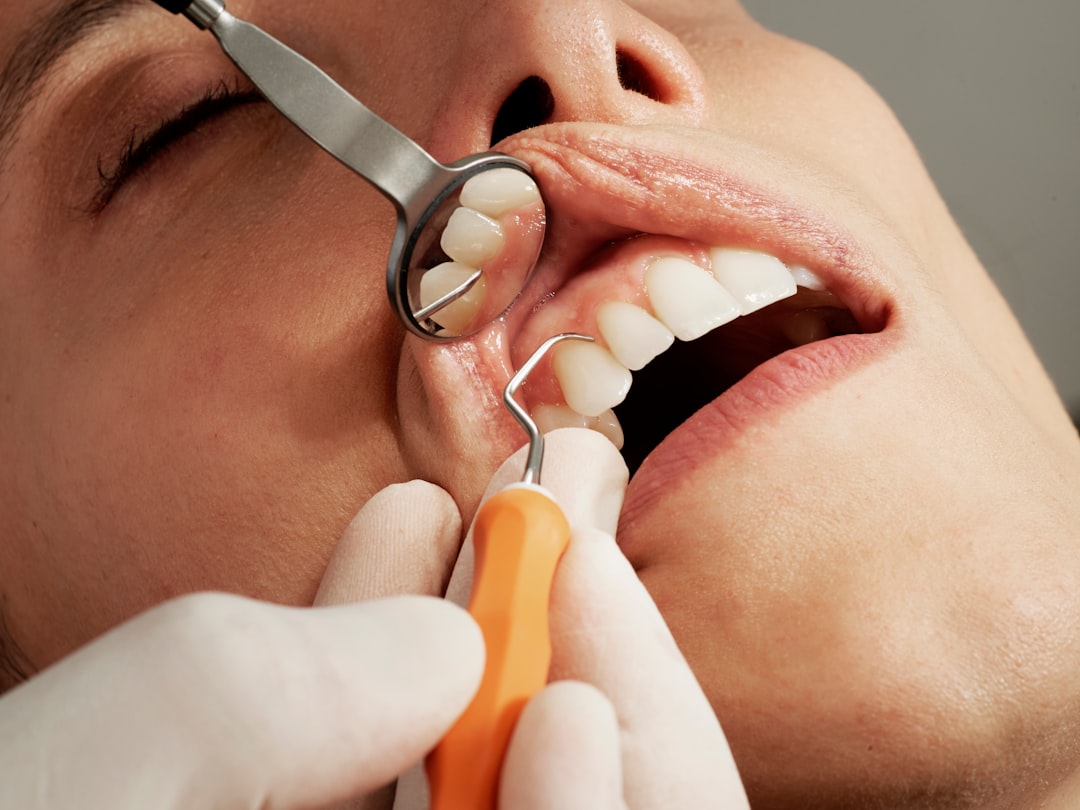
Is Bad Breath From Stomach or Teeth? The Short Answer
Research from the International Association for Dental Research puts oral causes at roughly 85 to 90 percent of chronic halitosis cases. That leaves 10 to 15 percent split between the sinuses, the tonsils, the airway, systemic disease, and — yes — the digestive tract. The stomach connection is real. It is just far less common than people assume, because your esophagus stays closed except when you swallow or burp. Odor from the stomach cannot vent out of your mouth on regular breathing.
What almost always vents out of your mouth is the smell of volatile sulfur compounds (VSCs) — hydrogen sulfide, methyl mercaptan, and dimethyl sulfide. These are made by anaerobic bacteria (bacteria that thrive without oxygen) living in three specific places: the back of your tongue, the pockets around your teeth, and any tartar under the gumline. Gum disease is a VSC factory because the pockets it creates are the perfect low-oxygen home for these bacteria.
The 60-Second Self-Test: Mouth or Gut?
Before you spend a nickel on probiotics or a fancy mouthwash, run these five checks. They take a minute.
- Lick the back of your hand. Wait 10 seconds. Smell it. That is your saliva odor — a rough proxy for tongue-and-gum smell. Bad? Suspect the mouth.
- Floss between two back molars. Smell the floss. If it smells even without food debris, you have gum-pocket bacteria.
- Do your gums bleed when you brush or floss? Bleeding gums = active gum disease = active VSC production. This alone answers the question for most patients.
- Does the smell come and go with meals or heartburn? If yes, and if you burp often or feel acid rise in your throat, the gut is now on the suspect list too.
- Does anyone smell you when your mouth is closed and you breathe through your nose? If nose-only breath still smells, sinuses or tonsils are in the picture — not the stomach.
Three or more "yes" answers on questions 1 through 3, and you almost certainly have an oral cause. That is a job for a professional cleaning and periodontal exam, not an antacid.
Why Gum Disease Is the Usual Culprit
Gum disease starts as gingivitis (inflamed gums that bleed easily). Left untreated, it becomes periodontitis (loss of the bone that holds your teeth). Both create pockets between the gum and the tooth. A healthy pocket is 1 to 3 millimeters deep. A diseased pocket is 4 millimeters or more. Once you cross that line, oxygen cannot reach the bottom of the pocket. Anaerobic bacteria move in. They eat protein from dead cells and food. They release VSCs as waste. That waste is the smell.
You cannot brush or floss to the bottom of a 5 mm pocket. The only way to clean it out is a deeper cleaning called scaling and root planing, done in the dental chair. This is why so many patients tell us, "I brush and floss and my breath still smells." If gum pockets are the source, no home routine can reach them. Our full post on bad breath even though you brush and floss walks through this pattern in detail.
The Tongue: The Other Half of the Oral Story
Even without gum disease, the back third of your tongue can produce VSCs on its own. It has grooves, papillae (the tiny bumps you can see), and a low-oxygen coating where the same bacteria hide. A white or yellow film on the back of the tongue is a strong sign. So is morning breath that clears within an hour of eating breakfast. If your gums are healthy but your tongue is coated, tongue scraping and a hygienist-directed cleaning will fix most of it. If the coating is thick and returns within hours, that points to postnasal drip feeding the coating — the drip is the source, the tongue is just the stage.
When It Really Is the Gut
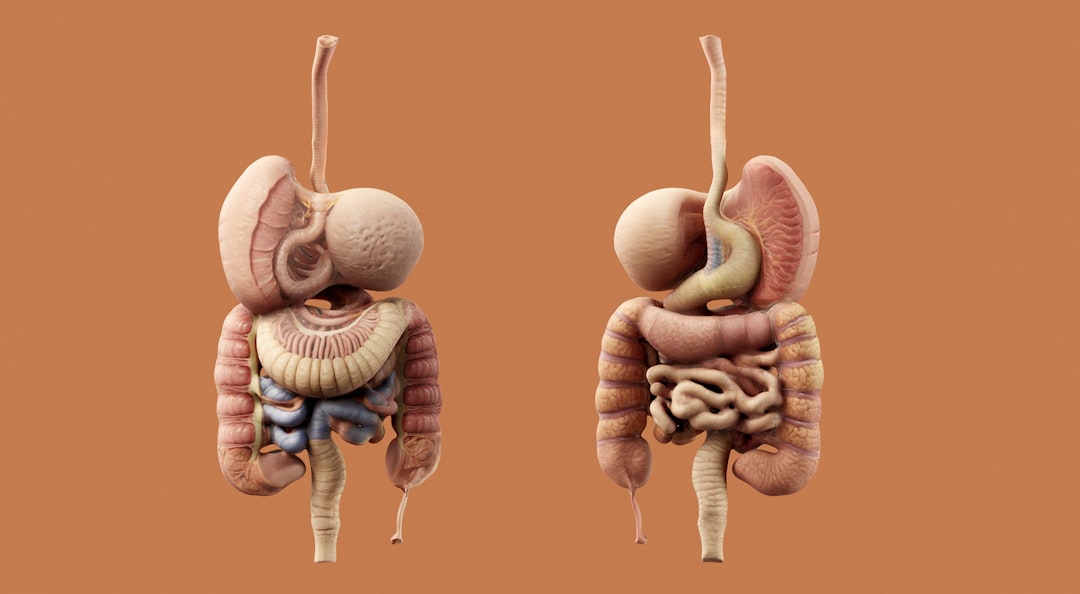
The stomach can cause bad breath, but only through specific pathways. Watch for these patterns:
- Chronic acid reflux (GERD). When stomach acid backs up into the esophagus and throat, it can carry a sour or metallic smell — and it also erodes teeth, thins tooth enamel, and dries out oral tissues, all of which make the mouth-based smell worse. Reflux is the most common gut cause we see.
- H. pylori infection. This stomach bacterium is linked to ulcers and, in some studies, to halitosis. If you have a diagnosed H. pylori case plus bad breath, treatment often improves both.
- SIBO (small intestinal bacterial overgrowth). Excess gut bacteria produce sulfur gases that can vent through burping, especially after high-carb meals. Bloating, gas, and a smell that rises after eating are the tells.
- Zenker's diverticulum. A rare pouch in the upper esophagus that traps food. It smells because trapped food rots. Usually paired with a sensation of food "sticking" when you swallow.
- Severe constipation or bowel obstruction. Rare and dramatic. This is not the cause of your ordinary morning breath.
If any of these describe you, the workup starts with your primary care doctor or a gastroenterologist — not with more mouthwash. The NIH overview of GERD is a solid starting point.
The Overlap: Reflux Makes Gum Disease Worse
Here is the twist most articles miss. Reflux and gum disease are not competing explanations — they compound each other. Acid from reflux weakens the enamel and irritates the gum tissue. Weaker enamel means more decay. Irritated gums bleed more and pocket more easily. So a patient with mild GERD and mild gingivitis often has worse breath than a patient with either condition alone. Fixing only one side of the equation leaves half the smell in place. This is why our halitosis specialty program screens for reflux at intake — the two-hit pattern is common.
What Won't Fix It (Even If You Have Tried)
Patients arrive at our Berkeley office having spent hundreds of dollars on the wrong solutions. If your source is gum disease or a coated tongue, none of the following will work for more than an hour:
- Alcohol-based mouthwash — kills bacteria briefly but dries the mouth, which makes the smell worse by evening.
- Mints, gum, breath sprays — pure masking.
- Cutting out garlic, onions, coffee — helpful for transient smells, useless for chronic halitosis.
- Charcoal toothpaste — no evidence it reduces VSCs.
- Oil pulling — some short-term benefit, but not a fix for periodontal pockets.
- Probiotics alone — helpful adjunct for gut cases, but they do not touch tongue biofilm or gum pockets.
What Actually Works, In Order
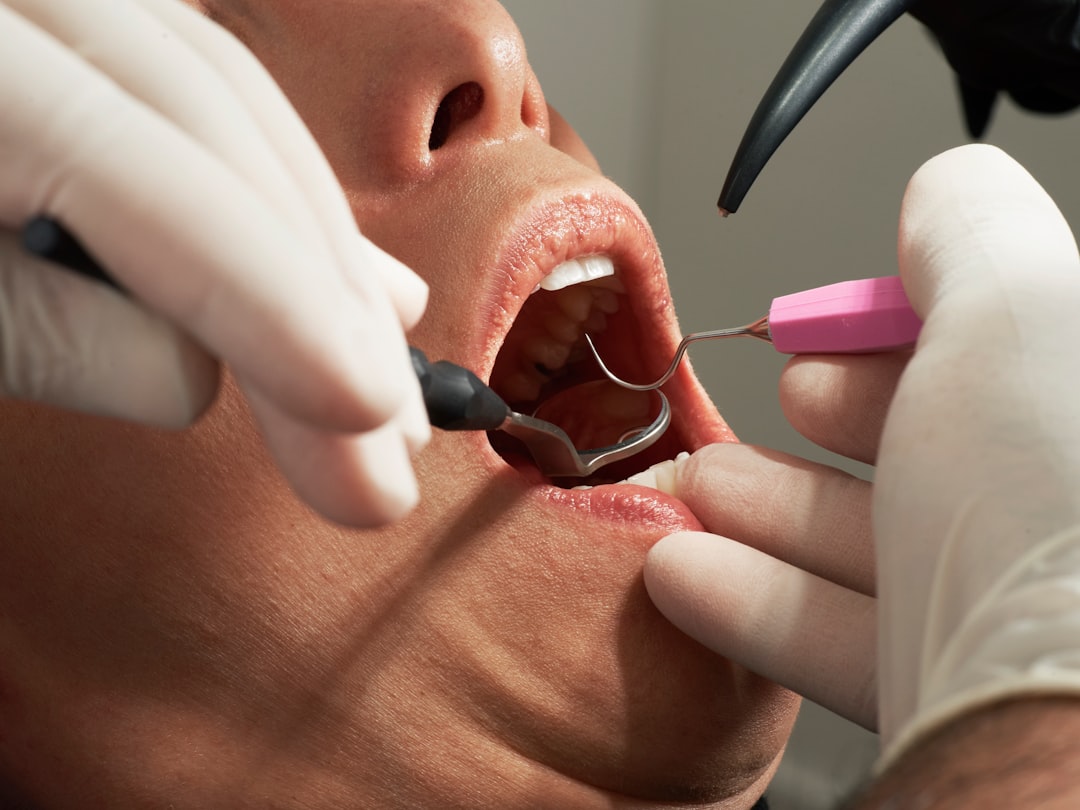
- Get a periodontal probing. Six numbers per tooth, five minutes total. This tells you and your dentist exactly which pockets are deep and where the VSCs are being made.
- Book a professional cleaning (scaling and root planing if needed). This is the step that removes the tartar and biofilm your toothbrush cannot reach.
- Start twice-daily tongue scraping. A stainless-steel scraper, back to front, 4 to 6 passes. Rinse the scraper between passes.
- Use a non-alcohol antibacterial rinse. Chlorhexidine short-term, or a stabilized chlorine dioxide rinse long-term. Both target VSCs directly.
- If gut symptoms are present, get evaluated. Reflux, H. pylori, and SIBO have real, testable workups.
- Rescreen in 4 to 6 weeks. If the mouth is treated and the smell is gone, the answer was oral. If it lingers, the gut deserves the next look.
How We Sort This Out in the Chair
At Acorn Family Dental Care in Berkeley we run every chronic halitosis patient through a structured workup: history, oral exam, periodontal probing, tongue exam, saliva flow test, and a Halimeter reading that measures VSCs in your exhaled air. The reading tells us not just that you have odor, but roughly where the VSCs are coming from. Most patients walk out with a same-day answer. If the mouth is clear and the reading is still elevated, we route to your physician with a clean referral note. Our step-by-step post on what a Berkeley halitosis exam actually involves walks through the appointment minute by minute.
Frequently Asked Questions
- Is bad breath from stomach or teeth in most people? Teeth and mouth in 85 to 90 percent of chronic halitosis cases. The stomach is a real but smaller share, and it usually shows up alongside heartburn or burping.
- Can GERD really cause bad breath? Yes. Acid reflux carries a sour or metallic smell up the esophagus, and it damages enamel and gum tissue, which then produces more odor on their own.
- How do I know if my bad breath is from gum disease? Bleeding gums when you brush or floss, floss that smells even without food on it, and a family history of gum disease are the three strongest signals. A periodontal probing gives the definitive answer.
- Will probiotics fix my bad breath? Not on their own if the source is oral. They can help if the source is gut-based (SIBO, reflux, dysbiosis), but always alongside — never instead of — a dental workup.
- Can I have both causes at once? Yes, and it is common. Reflux plus mild gum disease is one of the most frequent double-hit patterns we see.
- Do I need a special test to find the source? A periodontal probing and a tongue exam handle most cases in a single visit. For borderline cases, a Halimeter or a referral to a gastroenterologist gets the rest.
Book a Halitosis Workup in Berkeley
If your breath has been off for more than a month and home fixes have not worked, stop guessing. A single visit gives you a real answer and a plan. Book an appointment at Acorn Family Dental Care and we will tell you — from the chair, that day — whether your gums, your tongue, or your gut is behind it.