
The short version: deep cleaning vs regular cleaning is not a preference. It is a diagnosis. A regular cleaning is preventive maintenance for a healthy mouth. A deep cleaning is a treatment for gum disease — specifically, for pockets 4mm or deeper with bone loss on X-ray. If your gums are healthy, a deep cleaning is overtreatment. If you have active periodontal disease, a regular cleaning is undertreatment. So which one you get is decided by numbers, not by how your mouth feels or how long it has been.
I'm Dr. Teah Nguyen, and at Acorn Family Dental Care in Berkeley we run a full periodontal chart and updated X-rays before we recommend one or the other. This post walks through exactly what each cleaning is, how we decide which one you qualify for, and how to tell whether a recommendation is legitimate or an upsell in a lab coat.
What a Regular Cleaning Actually Is
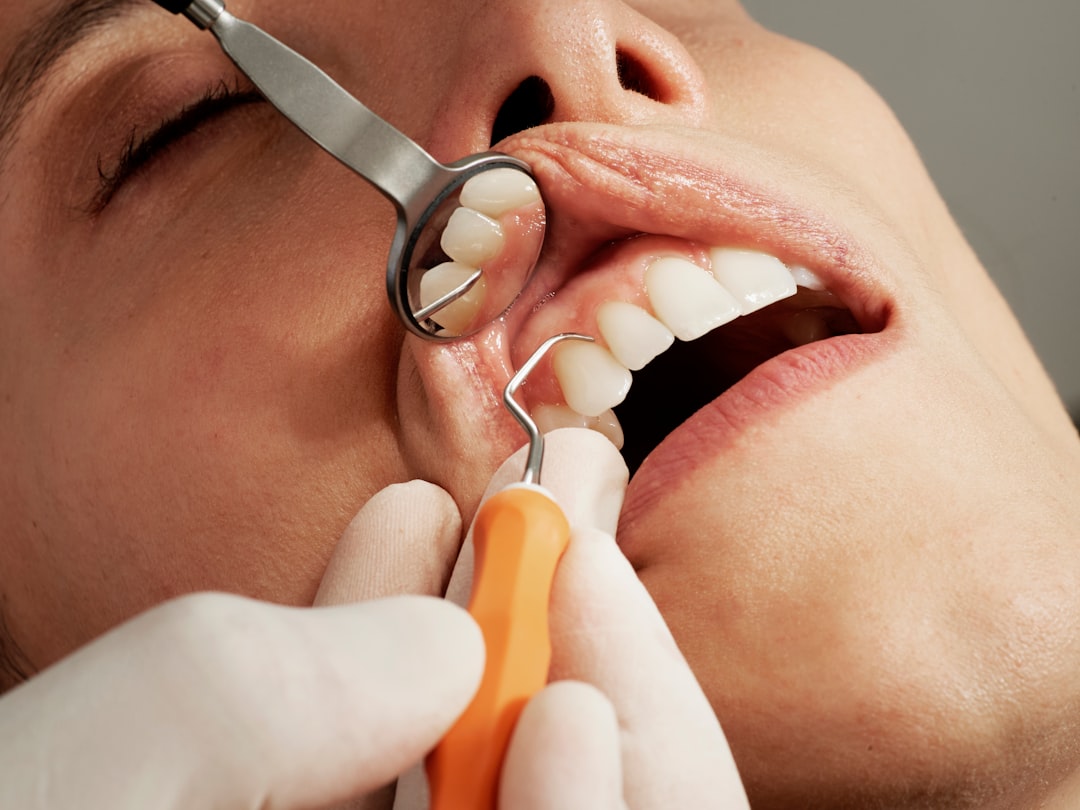
A regular cleaning — the technical name is adult prophylaxis, insurance code D1110 — is a 30 to 45 minute visit for a patient with healthy gums or mild gingivitis. The hygienist uses an ultrasonic scaler and hand instruments to remove plaque and tartar from the surfaces of your teeth above and just below the gumline. Then a polish, a floss, and a fluoride treatment. The point is to reset your mouth back to a clean baseline every six months so the bacteria never get established enough to cause damage.
Key detail: a regular cleaning does not reach down into deep gum pockets. It cannot. The instruments are shaped for the crown of the tooth, not the root. If tartar has built up 4, 5, or 6mm below the gumline, a regular cleaning will polish the tops of the teeth and leave the bacterial reservoir underneath untouched.
What a Deep Cleaning Actually Is
A deep cleaning — scaling and root planing, insurance codes D4341 (four or more teeth per quadrant) and D4342 (one to three teeth per quadrant) — is a treatment for active gum disease. It takes one to two visits, uses local anesthetic, and cleans plaque, tartar, and bacterial toxins off the root surface of the tooth, from the gumline all the way down to the base of the pocket. Then the root is smoothed (planed) so the gum can reattach.
Full-mouth deep cleanings are billed by quadrant — your mouth has four. Most patients get two quadrants done at one visit and two at the next. It is a real procedure, not a fancier cleaning. That is why it costs more, requires anesthetic, and gets billed under basic services rather than preventive.
How We Actually Decide (The Two Numbers That Matter)
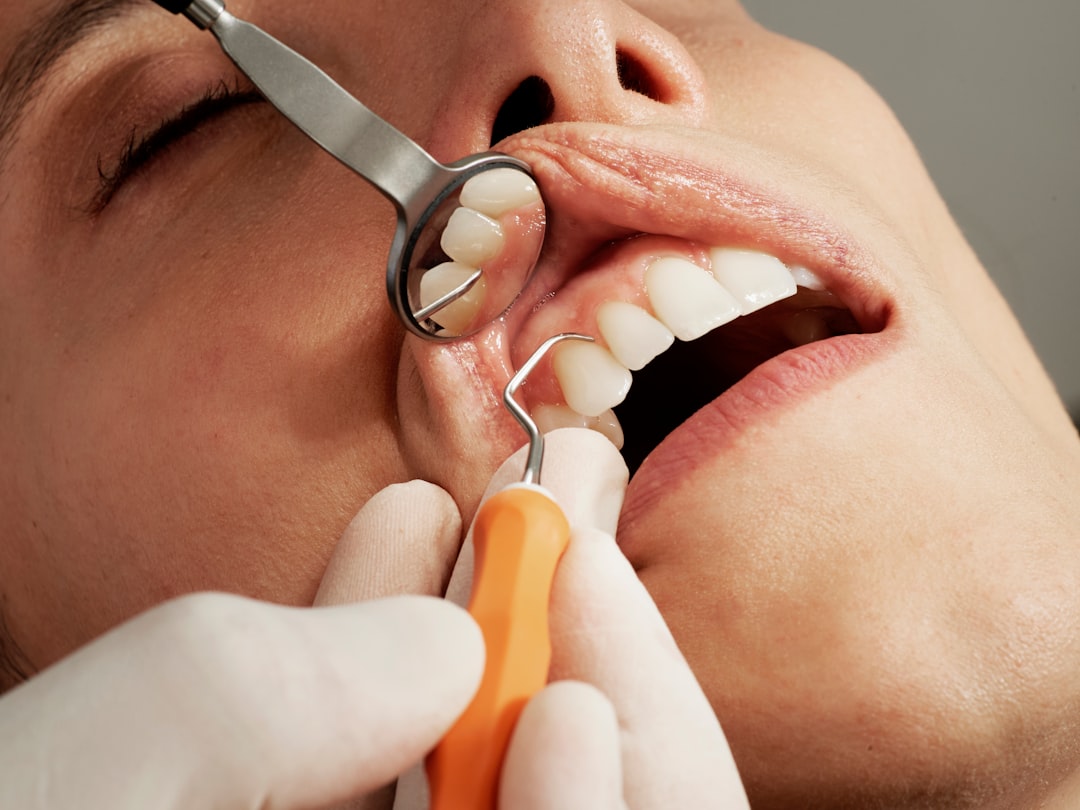
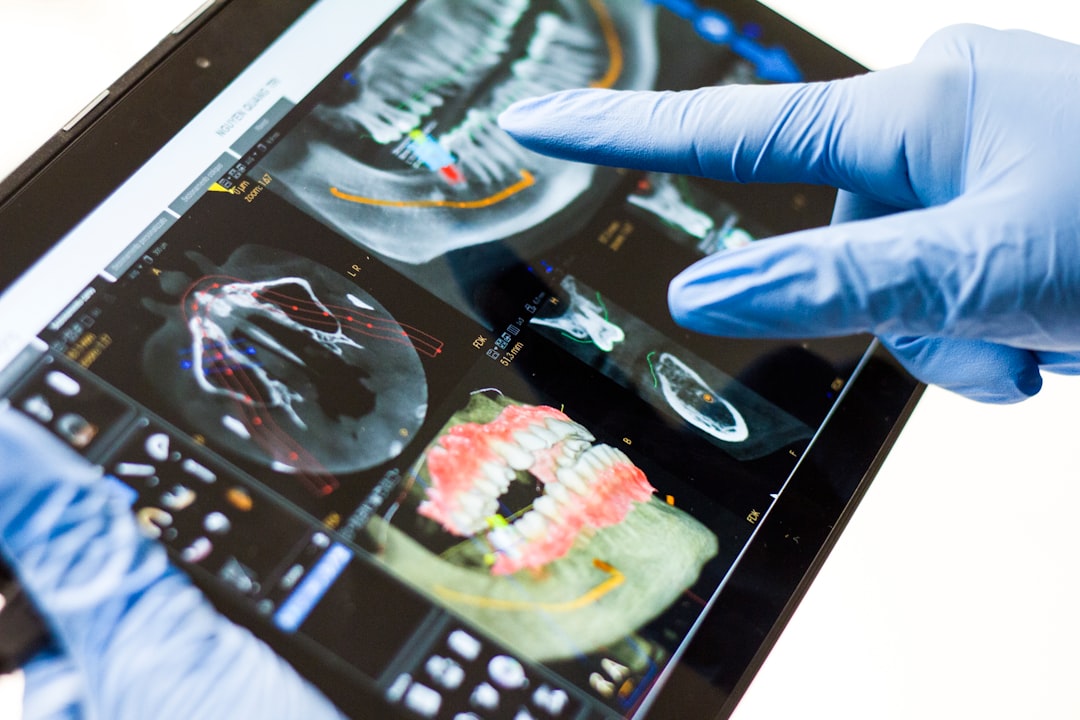
Before I recommend either cleaning, my hygienist takes six pocket depth measurements around every tooth — three on the cheek side, three on the tongue side — using a periodontal probe marked in millimeters. That is called a full-mouth periodontal chart, and it takes about 10 minutes. Then we update your bitewing and periapical X-rays and look at the bone level between the roots.
Those two findings together decide the answer to deep cleaning vs regular cleaning:
- Pockets 1 to 3mm, no bleeding, no bone loss → regular cleaning, six-month recall. Healthy gums.
- Pockets 1 to 3mm, bleeding on probing, no bone loss → regular cleaning plus a targeted home-care plan, three or four month recall to reassess. This is gingivitis — reversible.
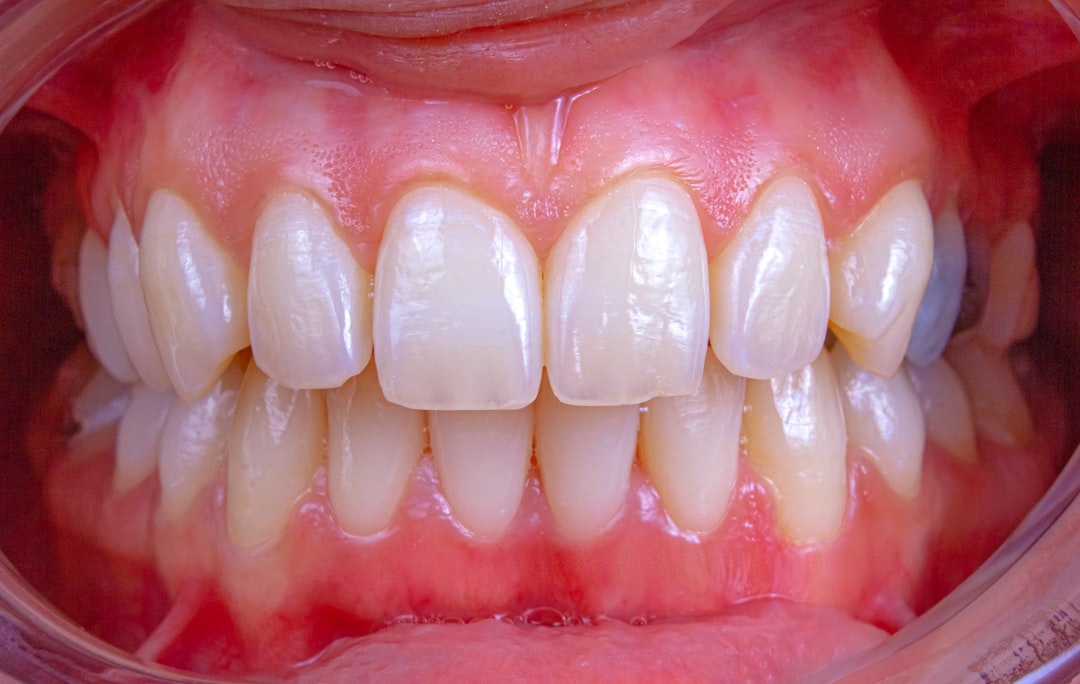
- Pockets 4mm or deeper with bleeding, plus visible bone loss on X-ray → deep cleaning (scaling and root planing) followed by periodontal maintenance every three or four months. This is periodontitis — manageable but not reversible.
Notice what is not on the list: how long since your last cleaning, how much tartar we see with our eyes, or a general sense that "your gums look rough." Time and appearance can prompt us to measure, but they don't make the diagnosis. The chart and the X-ray do. The CDC's periodontal disease reference uses the same clinical thresholds.
Deep Cleaning vs Regular Cleaning: The Side-by-Side
| Regular Cleaning | Deep Cleaning | |
|---|---|---|
| Insurance code | D1110 (prophylaxis) | D4341 / D4342 (scaling and root planing) |
| Category | Preventive | Basic / periodontal treatment |
| Purpose | Maintain healthy gums | Treat active gum disease |
| Reaches below gumline? | 1 to 3mm only | Full pocket depth, onto root surface |
| Anesthetic | None (topical if needed) | Local injection per quadrant |
| Time | 30 to 45 minutes, one visit | 60 to 90 minutes per quadrant, one to two visits |
| Berkeley cost without insurance | $150 to $220 | $250 to $400 per quadrant ($1,000 to $1,600 full mouth) |
| Recall schedule after | Every 6 months (D1110) | Every 3 to 4 months (D4910 periodontal maintenance) |
If the cost side is where you're stuck, our post on dental cleaning cost in Berkeley with and without insurance walks through PPO coverage, HMO copays, and what to ask before you agree to the code.
What Happens After a Deep Cleaning
Scaling and root planing is step one, not the whole treatment. Once your pockets are cleaned out, three things happen next:
- Four to six week reevaluation. We remeasure every pocket. Pockets that were 5mm often drop to 3mm as the inflammation resolves and the gum tissue tightens back around the tooth.
- Periodontal maintenance every three or four months. Not every six. This is billed as D4910, not D1110, and it is the schedule research shows keeps the bacteria from repopulating the pockets. Skip it and the disease recurs, usually within a year.
- Home-care upgrade. Manual brushing is no longer enough. Electric brush, water flosser, and interdental brushes for any pockets still over 4mm. We show you the technique at the reevaluation visit.
If any pockets stay at 5mm or deeper after reevaluation, we refer you to a periodontist for either localized antibiotics or a surgical option. That is uncommon but not rare. If you want the fuller picture of what active gum disease looks like before it gets to this stage, the early signs of gum disease guide covers the symptoms most people miss.
Do I Really Need It, or Is This an Upsell?
Deep cleanings are the single most over-recommended treatment in general dentistry. They pay four to eight times what a regular cleaning does, and the diagnosis is subjective enough that a rushed practice can slide the definition around. Two questions protect you:
- "Can I see my periodontal chart?" — A real recommendation is backed by six numbers per tooth, called out and recorded, with pockets of 4mm or deeper flagged. If the practice cannot show you the chart, or the numbers were never called out during the exam, the diagnosis is not documented.
- "Can you show me the bone loss on my X-rays?" — Bone loss shows up on bitewing and periapical X-rays as the bone level dropping away from the crown of the tooth. If your X-rays are new and clean, the bone loss half of the diagnosis is not there.
If either answer is vague, ask for a copy of your chart and X-rays and get a second opinion. A legitimate deep cleaning recommendation survives being questioned — it is just numbers on a chart. And if you'd rather have that conversation with us before committing to anything, that is what a general exam and cleaning visit is for. We'll chart, X-ray, and tell you which cleaning your mouth actually qualifies for, in plain language.
One more thing worth knowing: some patients need the longer, more thorough visit that isn't a deep cleaning but isn't a routine six-month either. That's a comprehensive cleaning, and our post on what a comprehensive dental cleaning actually includes covers who falls into that middle category.
Book a Gum-Health Evaluation in Berkeley
If you've been told you need a deep cleaning and want a second read, or you've skipped cleanings for a couple of years and want to know where your gums actually stand, we can do a full periodontal chart and updated X-rays and walk you through the numbers on the same visit. No pressure, no upsell — just the two data points that decide the question. Contact us to schedule a gum-health evaluation at our Berkeley office.