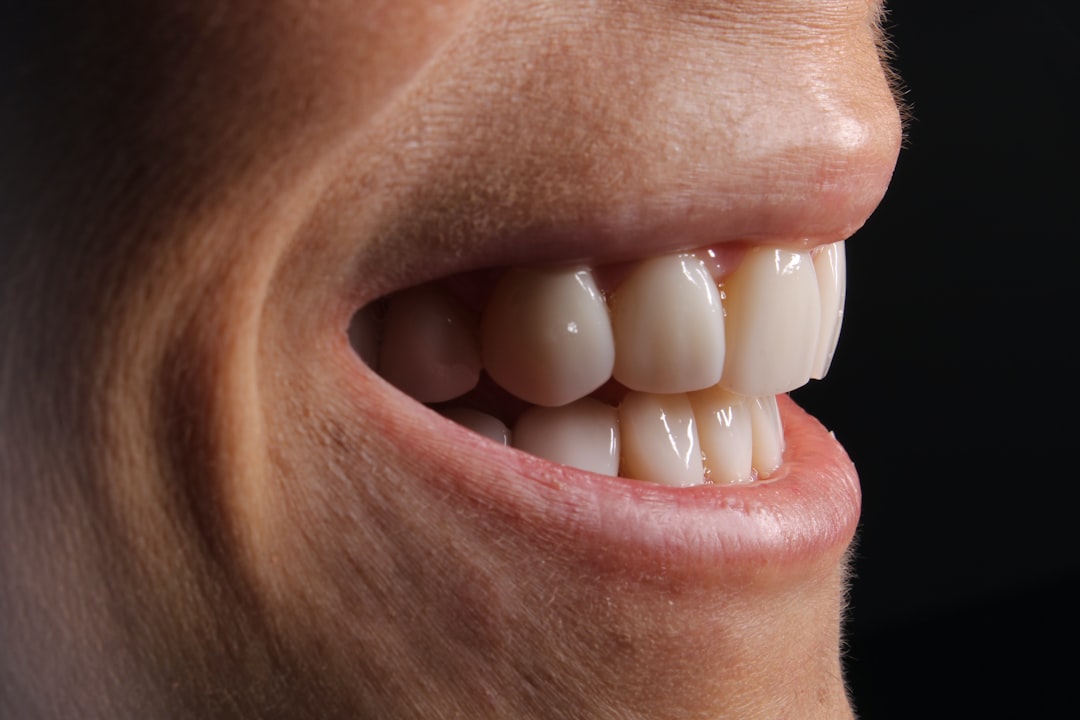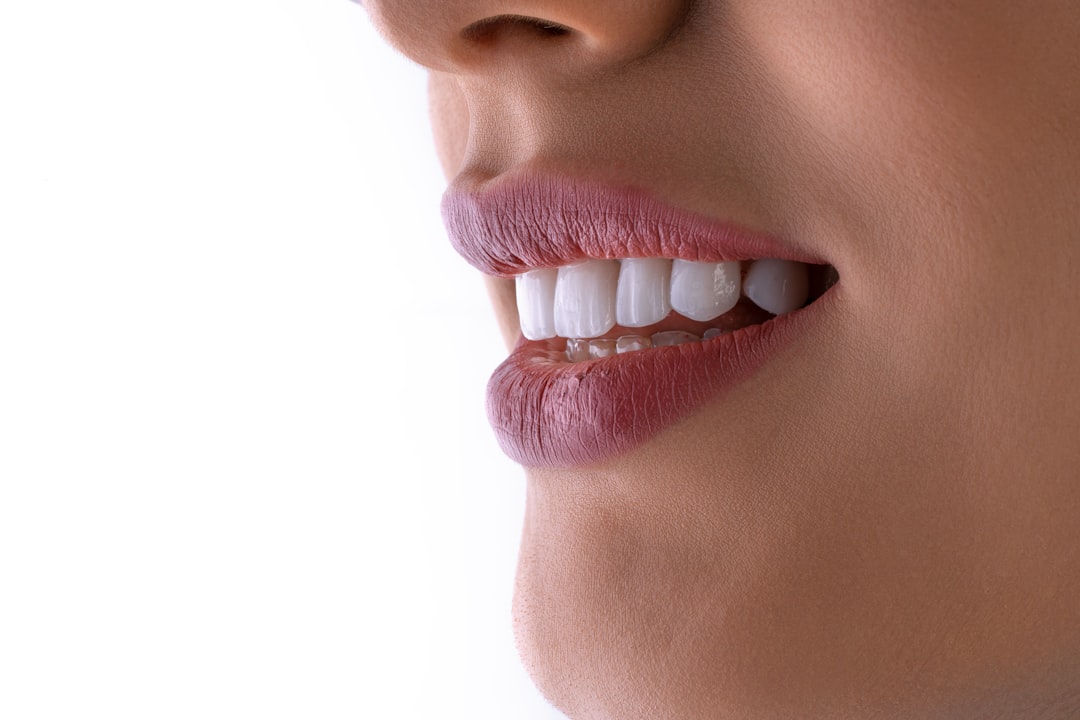

If you are searching for a berkeley cosmetic dentist to fix a chip, close a gap, or brighten a smile that whitening will not touch, you have almost certainly hit the same wall every one of my patients hits: half the internet tells you bonding is the answer, the other half swears by veneers, and the price ranges are so wide they are useless. This guide fixes that. Below is how I actually pick between dental bonding and porcelain veneers when a patient sits in the chair in Berkeley, what each one costs, and the five factors that decide the case.
I am Dr. Teah Nguyen at Acorn Family Dental Care, and I have designed enough of both restorations to know the honest rule most cosmetic dentists will not say out loud: bonding vs veneers is not a quality argument. Both are excellent when they fit the case. Picking the wrong one is what causes the problem.

The Five Factors a Berkeley Cosmetic Dentist Actually Weighs
When a patient books a cosmetic consult, I am not deciding bonding vs veneers on aesthetics alone. Five inputs drive the answer, and they run in this order every time.
- Number of teeth involved. One tooth or two, bonding is on the table. Four or more, porcelain becomes the honest recommendation because color matching multiple hand-sculpted composites for a decade is very hard to keep even.
- Age of the patient and bite force. Patients under 40 with light bites do beautifully on bonding. Grinders, clenchers, and patients over 50 chip composite edges faster than the math works out.
- How much of the tooth we are changing. A small chip or a spot repair is bonding all day. A tooth that needs a completely new shape, length, and color is veneer territory.
- Stain profile. Heavy coffee, red wine, turmeric, or smoker patients stain bonding within 12 to 18 months. Porcelain does not absorb stain.
- Budget and timeline. Bonding is one visit and roughly one-quarter of the cost. Veneers are two visits over two to three weeks and a real financial commitment.
If four of those five point the same direction, the decision is basically made. When they split, we run a digital mock-up and let the patient see both options on their own smile before committing.
Cost Per Tooth and Cost for a Full Smile
Here is the honest 2026 pricing for a berkeley cosmetic dentist market — not the discount-chain teaser numbers and not the celebrity-Beverly-Hills numbers.
- Dental bonding Berkeley: $350 to $650 per tooth. A two-tooth chip repair is usually $700 to $1,100 total.
- Porcelain veneers Berkeley cost: $1,500 to $2,500 per tooth. Six upper front teeth land at $9,000 to $15,000. Eight to ten teeth for a full social smile run $15,000 to $25,000.
- Minimal-prep porcelain (Lumineers and similar): $1,800 to $2,400 per tooth, roughly the same as traditional porcelain.
- Same-visit CEREC porcelain: $1,400 to $1,900 per tooth — a modest saving because there is no outside ceramist.
Neither is covered by insurance, with one narrow exception: if a veneer is replacing a fractured front tooth that would otherwise need a crown, some PPO plans will pay at the major-restorative percentage. We verify that in writing before you commit. For a deeper breakdown of veneer pricing specifically, our full guide on porcelain veneers in Berkeley walks through what is behind each tier.
How Long Each Lasts and What Shortens It
Composite bonding lasts 5 to 8 years on average. The failure mode is almost never the bond itself — it is edge chipping, stain absorption at the margin, and a slight dulling of the surface as the resin loses its polish. All three are fixable with a polish or a patch in one visit for a fraction of the original cost.
Porcelain veneers last 15 to 20 years, and I have Berkeley patients still wearing their original veneers at 25 years with only a gum-line refresh. The porcelain itself does not stain, wear, or discolor. What eventually needs attention is the seal at the gum margin as gums recede with age, or a chip from a hard impact — an olive pit, a fork tine, a bike-crash impact.
What shortens both: nighttime grinding, ice chewing, using teeth as scissors, and chronic acid reflux. If you grind, we make a custom night guard the same visit we place your restoration. Skipping that step is the single most common reason cosmetic work fails early — see our breakdown of a custom night guard versus a store-bought one before you decide which to use.
Three Real Decision Scenarios From the Berkeley Chair
Abstract rules are less useful than actual cases, so here are three that come through the door most weeks.
Scenario 1: One chipped front tooth, patient in their 30s
Cyclist, mild bite, chipped a corner off a central incisor on a water fountain. One tooth, healthy enamel, no stain issues. This is bonding — every time. Sixty minutes, roughly $500, reversible, done. Porcelain here would be overkill and would take enamel we do not need to touch.
Scenario 2: Uneven color and worn edges across six upper front teeth, patient in their 50s
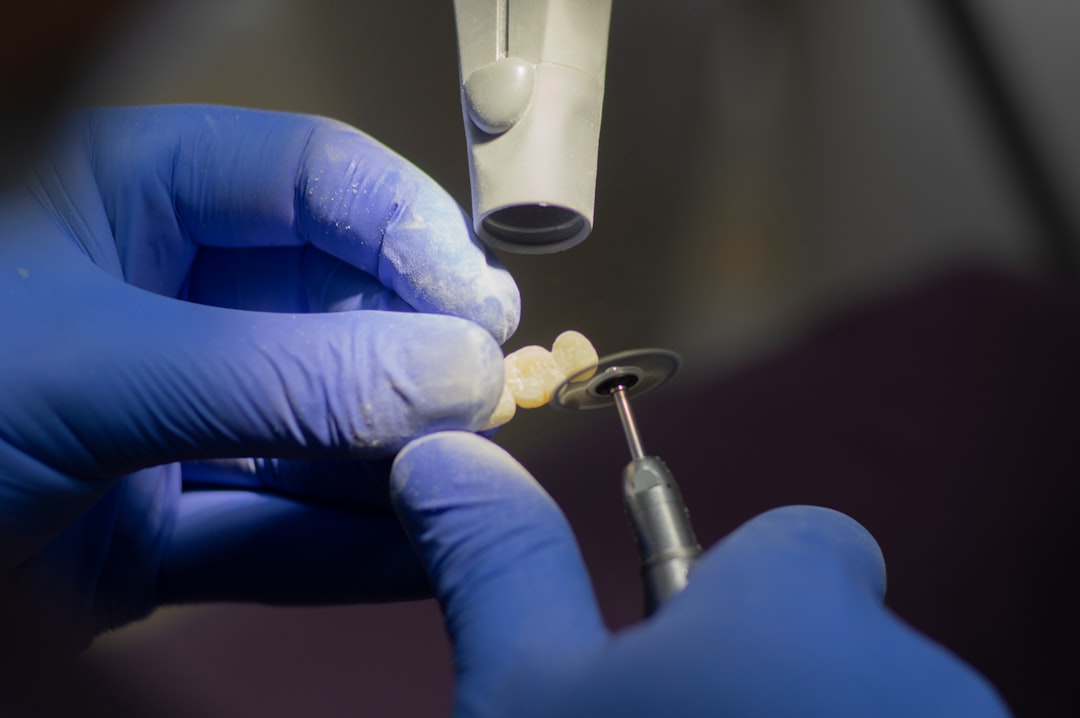
Decades of coffee, some old bonding that has yellowed, worn incisal edges from years of light grinding. Trying to fix this with composite would mean six new bondings that would need touching up every 3 to 4 years, and the color-matching gets harder with each patch. Porcelain veneers on the six upper anteriors, plus a night guard. Higher up-front cost, a decade-plus of no maintenance, and the color stays consistent.
Scenario 3: Gap between the two front teeth, patient in their 20s
Small diastema, wants it closed but not sure they want it closed permanently. Bonding is the clear pick. We can close the gap in one visit, they live with it for a year or two, and if they love it we either refresh the bonding or convert to porcelain later. If they miss the gap, we polish the composite off and the teeth are exactly as they started. That reversibility is worth a lot at 25.
What We Usually Do First: Whiten, Then Align, Then Restore
The single biggest mistake in cosmetic dentistry is placing a bonded or porcelain restoration on a smile that has not been prepped correctly. Restorations are shade-locked and position-locked the day we place them. If you whiten later, your natural teeth get brighter and the restoration looks dark. If you straighten later, the restoration ends up in the wrong position.
The correct sequence for most cosmetic cases in Berkeley is:
- Whiten first. Two to four weeks of professional take-home trays or a single in-office session. We wait two weeks after the last whitening for the shade to stabilize, then match the restoration.
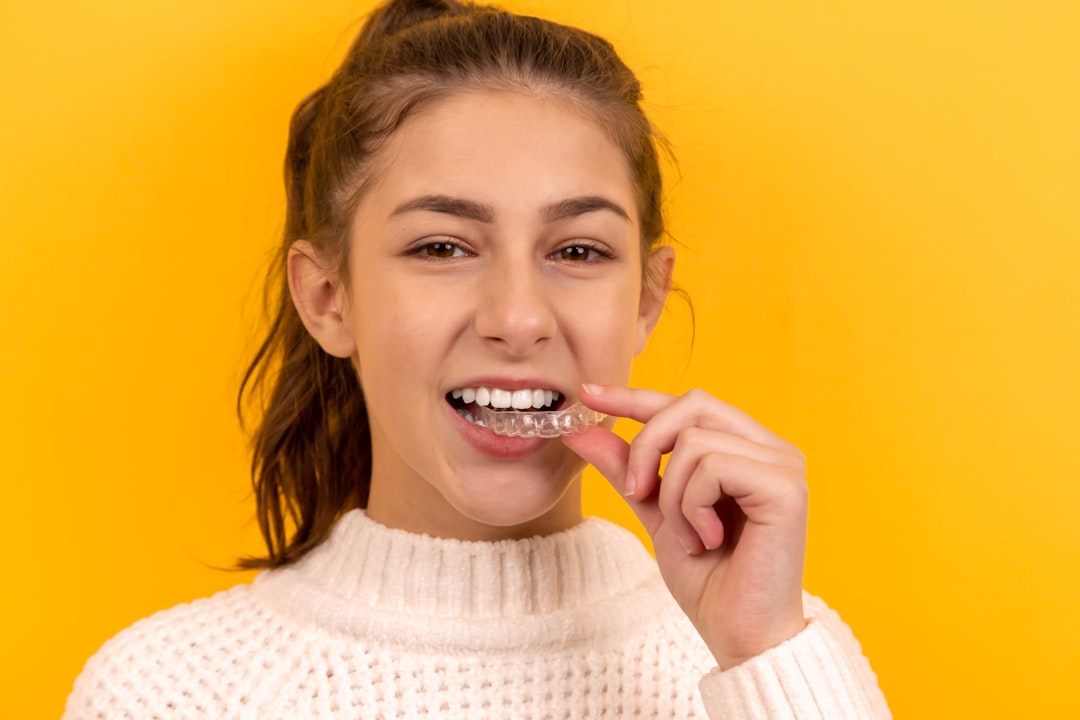
- Align if needed. Even mild crowding or a rotated front tooth throws off a bonding or veneer design. Clear aligners take 4 to 9 months for most cosmetic cases — much less than a full orthodontic case. Our Invisalign vs braces for adults guide covers what fits which patient.
- Restore last. With the color and position sorted, the bonding or veneer only has to solve the shape, chip, or final polish. The result lasts longer and looks more natural.
Roughly a third of the cosmetic consults we see in Berkeley end up doing whitening and short-course aligners instead of veneers — the smile problem was actually alignment or color, not tooth surface, and the cheaper sequence solved it. That is a conversation worth having before you commit to porcelain.
According to the American Dental Association's guidance on veneers, patient selection is the single largest predictor of long-term veneer success — which is another way of saying the case that gets planned wrong fails, no matter how good the porcelain is.
When Bonding Is Genuinely the Wrong Answer
To be fair to porcelain, there are cases where bonding is not just second-best — it is actively wrong.
- Heavy grinders chip composite edges within months. Porcelain, backed by a night guard, holds.
- Full smile redesigns — changing shape, length, and color across six-plus teeth — are almost impossible to color-match consistently in composite.
- Patients who cannot give up staining habits (heavy coffee, red wine, turmeric-forward cuisine) will watch bonding turn dingy inside a year. Porcelain does not care.
- Teeth with old, failing restorations already need enamel work — at that point, a proper porcelain veneer is more conservative than repeated composite patches.
Frequently Asked Questions
- Which is better, bonding or veneers? Neither is universally better. Bonding wins on one-to-two-tooth repairs, reversibility, and cost. Porcelain veneers win on four-plus teeth, longevity, and stain resistance.
- How much do dental bonding and veneers cost in Berkeley? Bonding is $350 to $650 per tooth. Porcelain veneers are $1,500 to $2,500 per tooth. Insurance does not cover either as a rule.
- How long does bonding last compared to veneers? Bonding lasts 5 to 8 years. Porcelain lasts 15 to 20-plus.
- Can I convert bonding to veneers later? Yes. Bonding is fully reversible — we polish it off and place porcelain when you are ready.
- Do I need to whiten first? Yes. Both bonding and porcelain are shade-locked on placement day.
- Will either damage my real teeth? Bonding removes essentially no enamel. Traditional porcelain removes about 0.5mm; minimal-prep porcelain removes little or none.
Ready to See Which One Fits Your Smile?
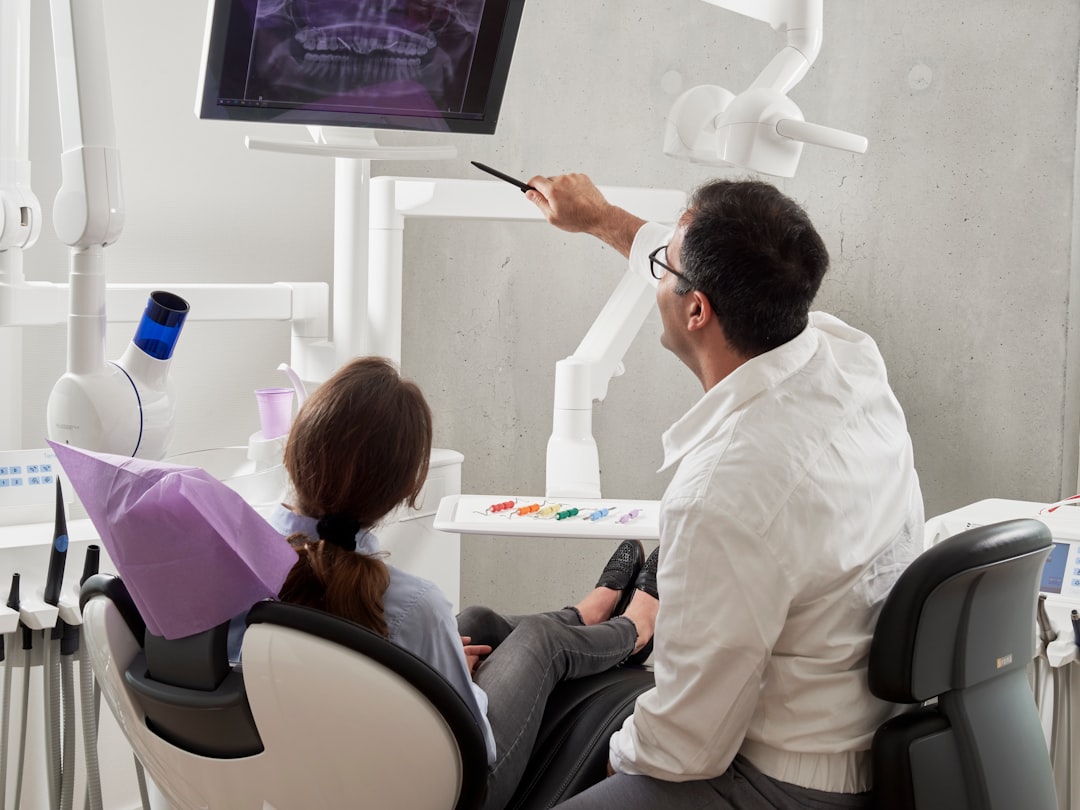
If you are weighing bonding vs veneers in Berkeley and want a plan built around your actual teeth — not a stock recommendation — book a cosmetic consult with us. We do a digital scan, mock up both options on your own smile, and walk you through the honest tradeoffs before anyone touches a tooth. Book a cosmetic consult with Dr. Nguyen and let us give you the answer for your case, not the internet's average.